Why pre-war openings fight off-the-shelf blinds
Buildings from the 1920s–1950s in Manhattan, Brooklyn, Queens, and older Jersey waterfront stock often mix tall narrow double-hungs, shallow steel or wood lintels, and masonry returns that are out of square. Big-box sizes assume suburban depth and square openings.
- Inside-mount depth often runs 1"–2" — too shallow for 2" faux wood without an outside mount or extension brackets
- Bedroom openings frequently land in the 24"–36" width band — vinyl mini is the default turnover SKU
- Patio sliders in converted or post-war wings need vertical track mount, not the same brackets as minis
- Co-op and condo boards may restrict visible hardware from the street — confirm before ordering outside mount
- Window guards (required in many NYC units with children) must remain operable — blinds cannot block guard release
Products Northeast apartments reorder most
Vinyl mini leads turnover volume in dense apartment markets. Vertical covers sliders; faux wood upgrades living rooms when depth allows.
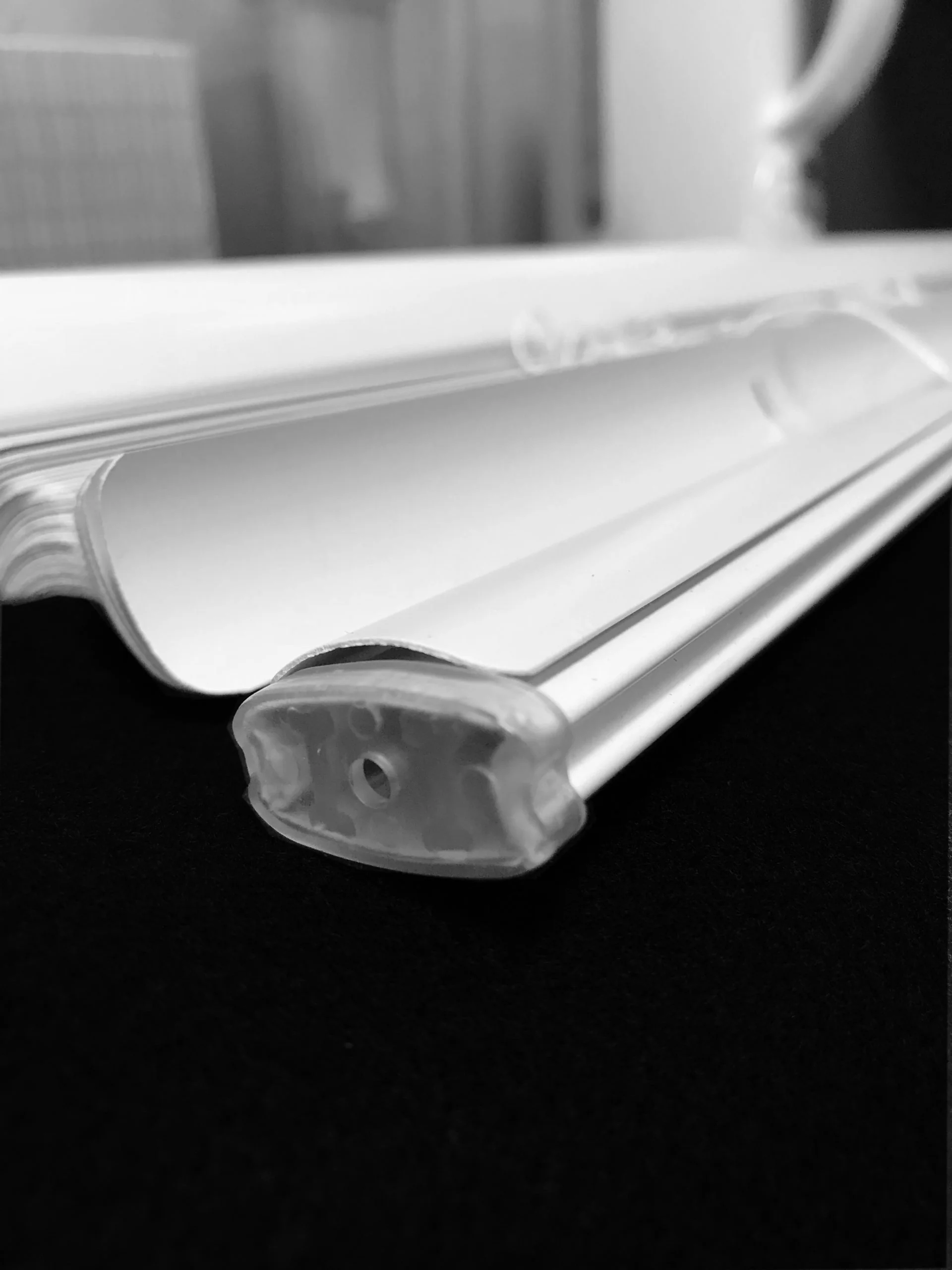
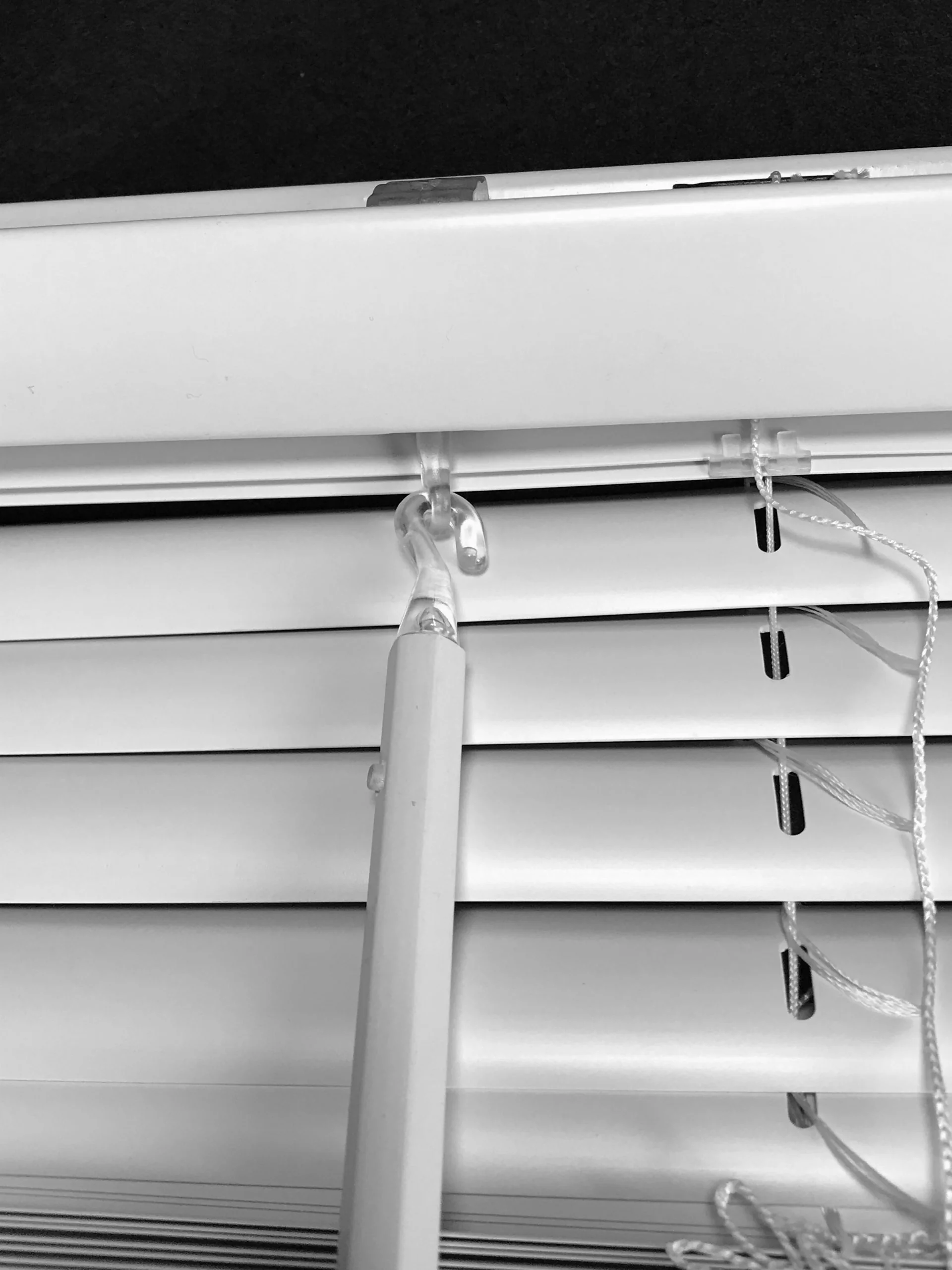
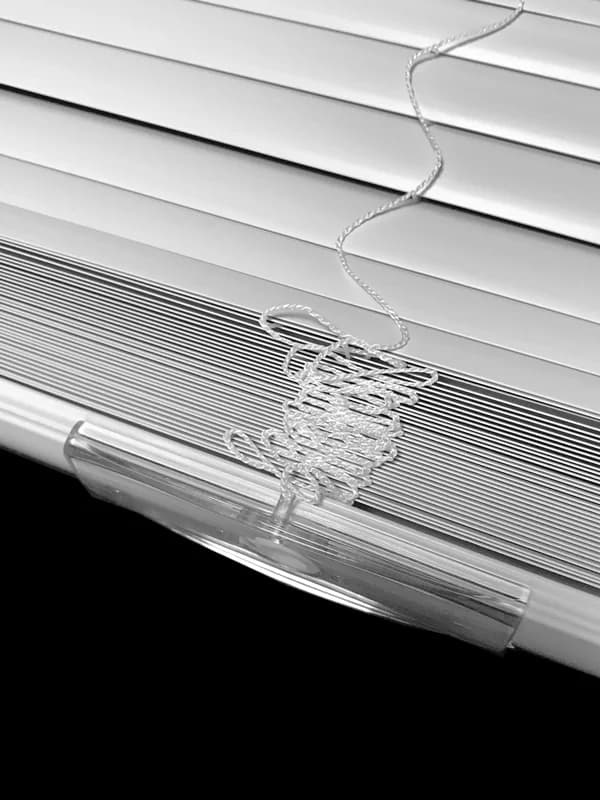
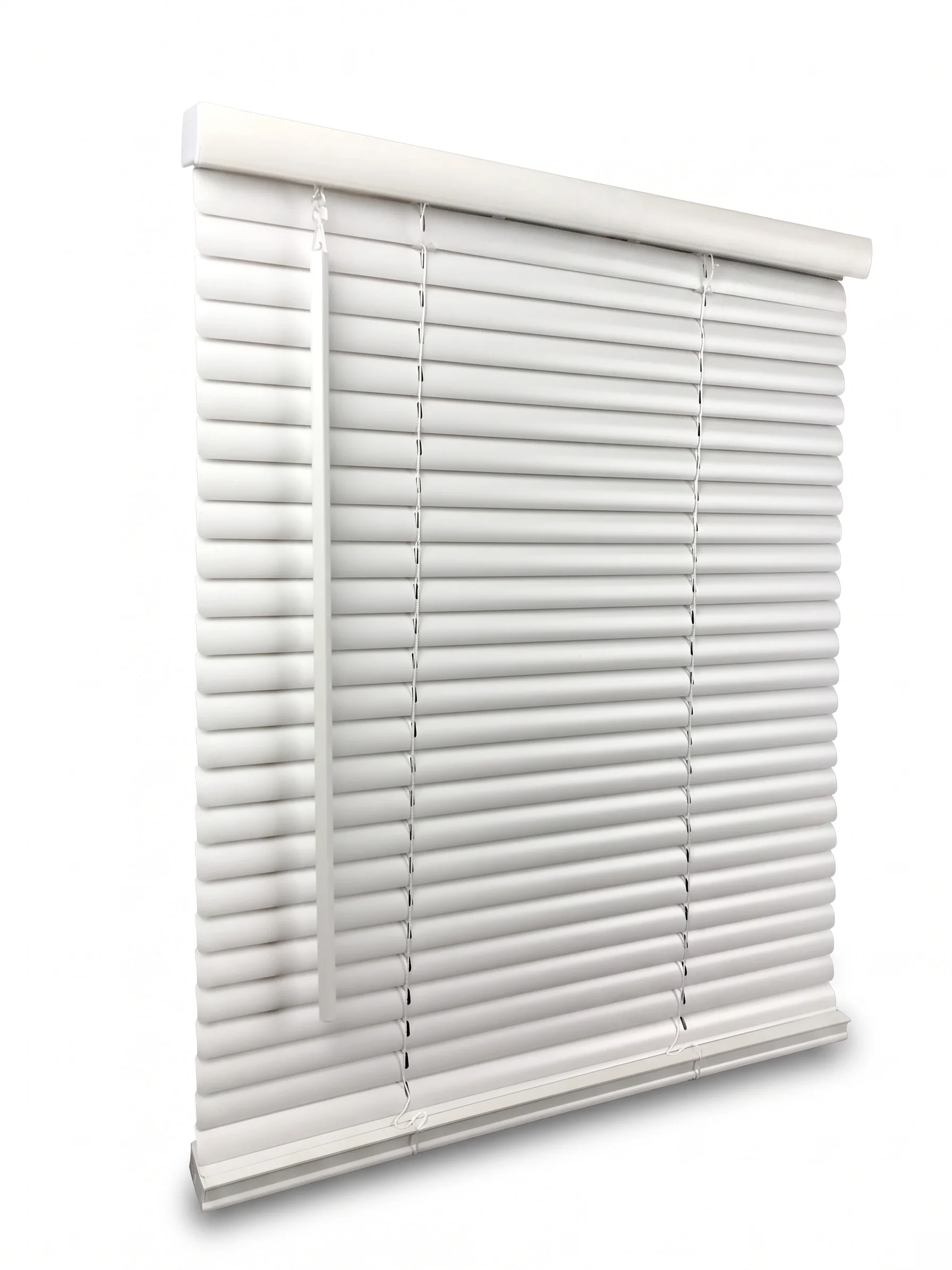
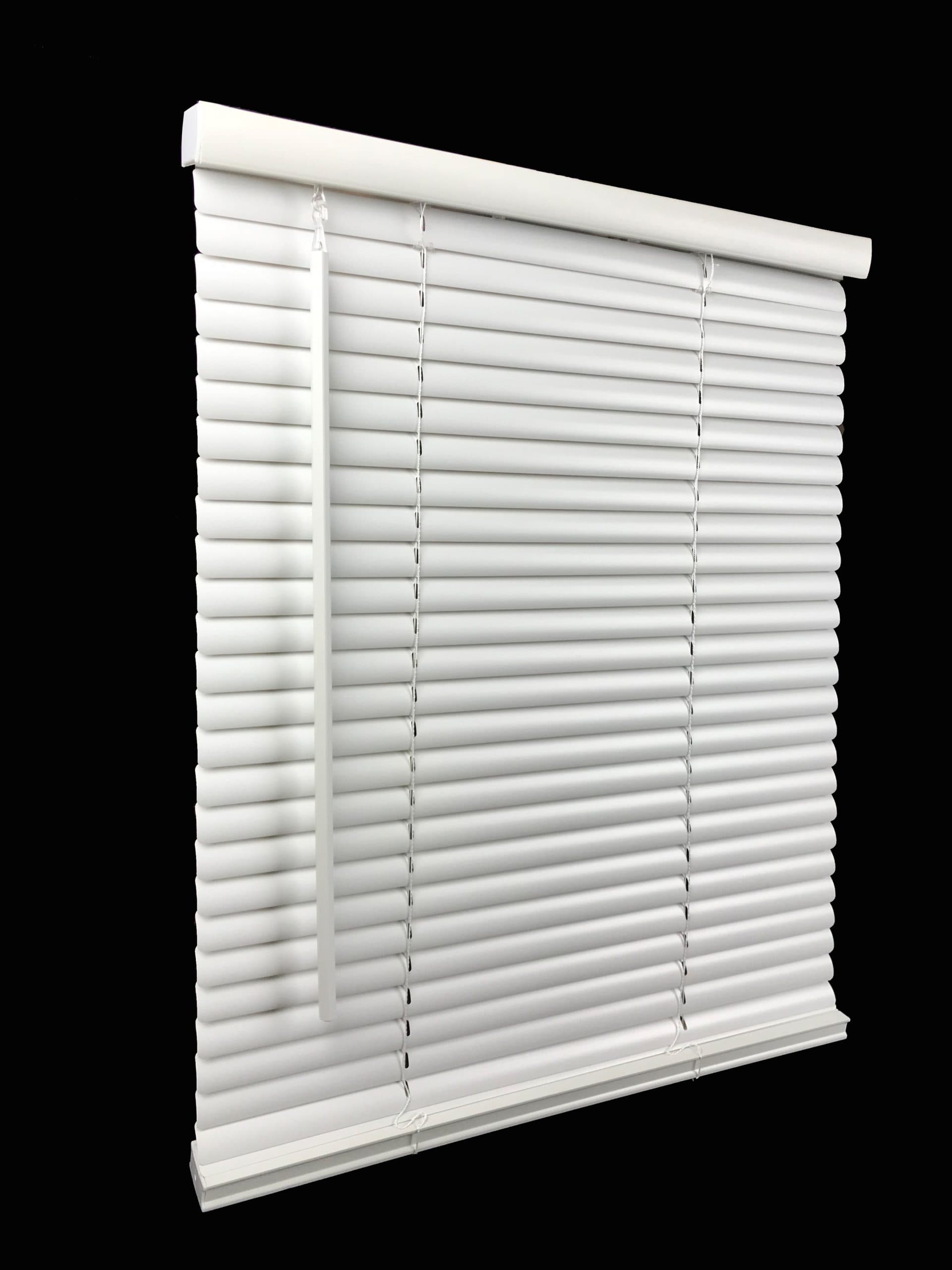
1" vinyl mini blinds
The workhorse for bedroom and bath turns — cordless, white, custom width. Most shipped orders to the Northeast use vinyl mini on multiple openings per unit.
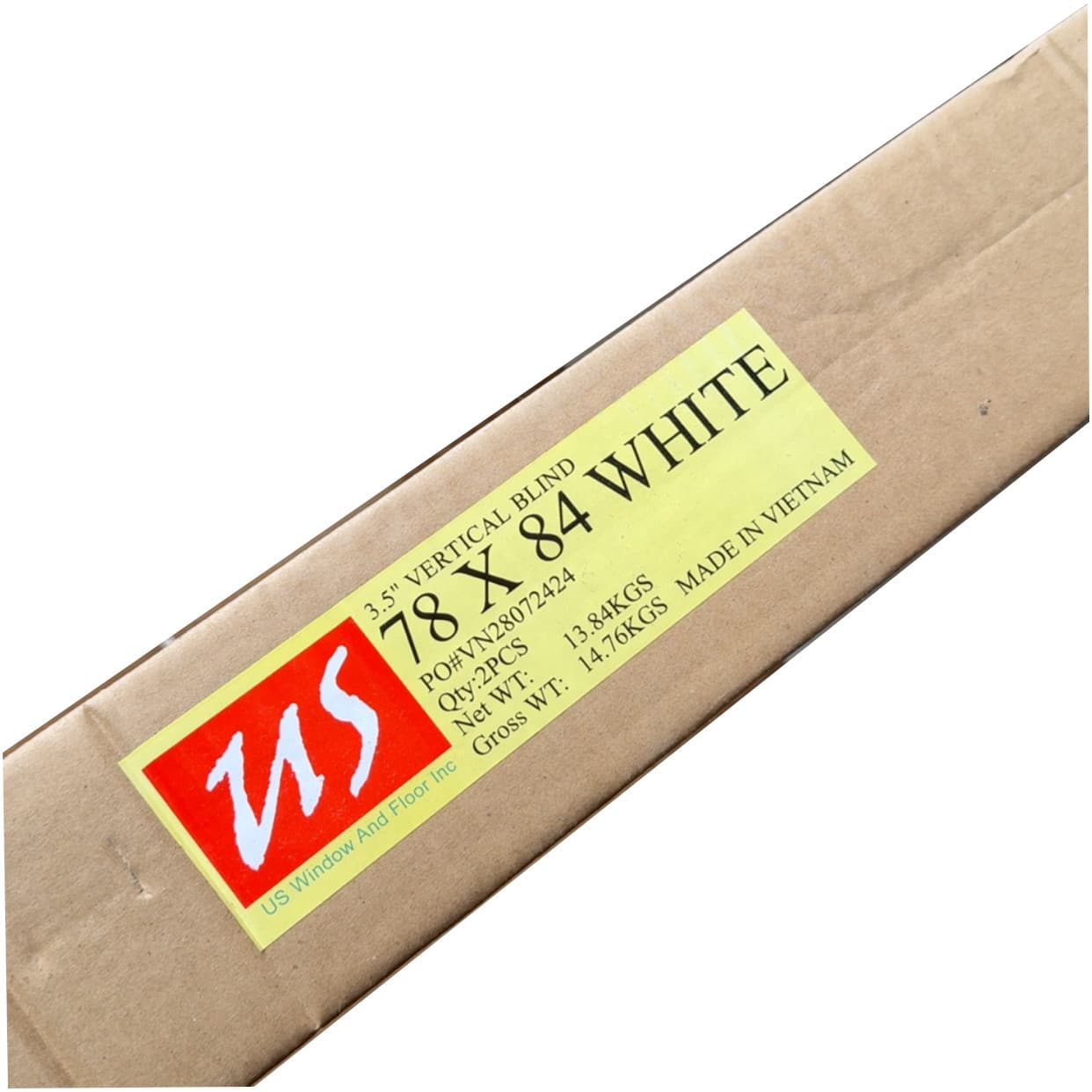
3.5" vertical blinds
Standard for patio sliders — stocked 68×84 and 78×84 reorder sizes for property programs.

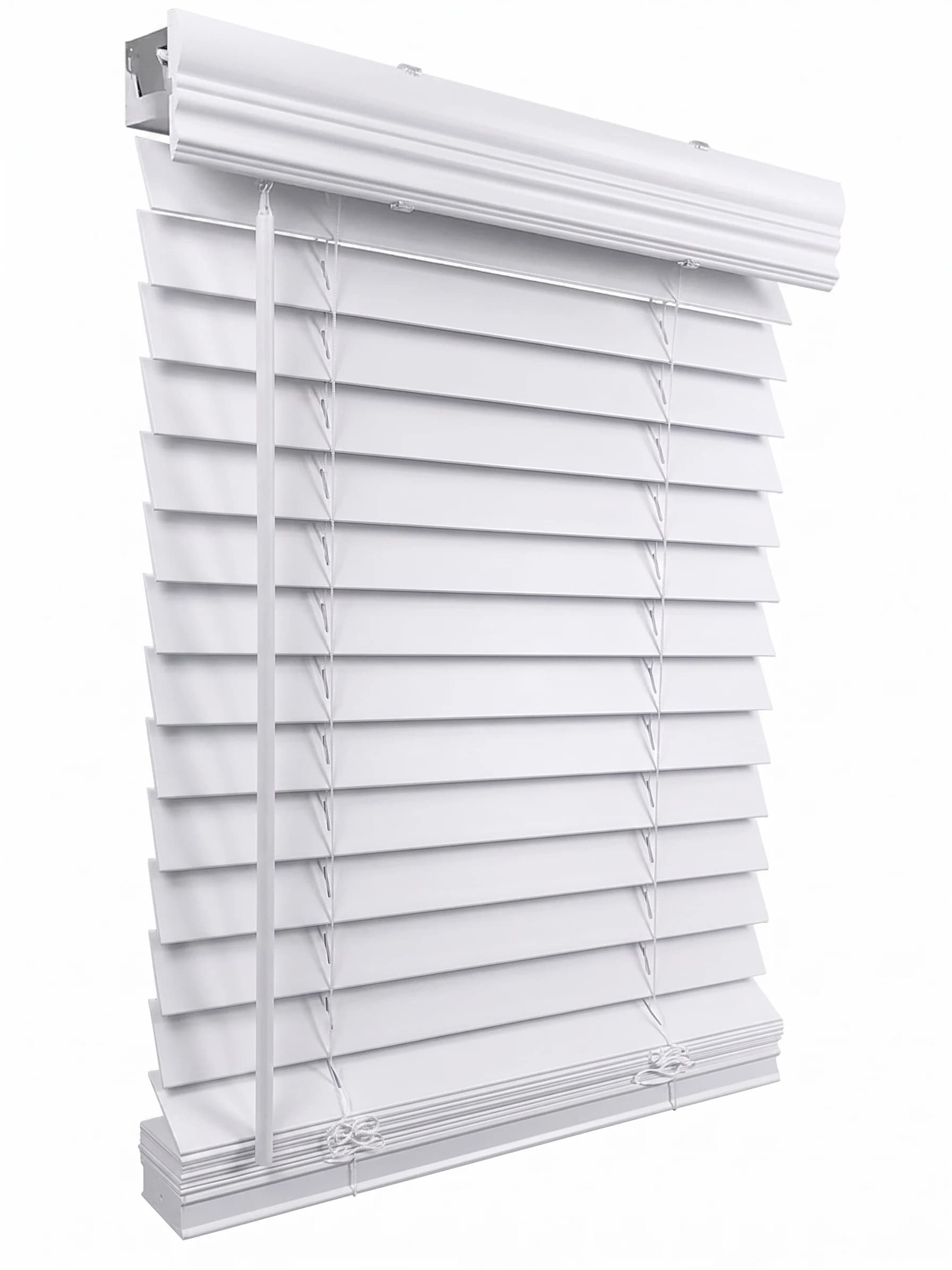
2" faux wood blinds
Step-up finish for living rooms when frame depth supports inside mount or trim allows outside mount.
Typical opening → blind size
These are typical reorder widths for shipped orders — always measure each opening. Links go to size pages where we publish retail pricing.
| Opening (approx.) | Order size | Room |
|---|---|---|
| 26"–30" | 25.5"–29.5" | Small bedroom / bath |
| 34"–36" | 33.5"–35.5" | Primary bedroom |
| 68" × 84" slider | 68" × 84" vertical | Patio door |
| 78" × 84" slider | 78" × 84" vertical | Wide patio door |
Mounting by material & situation
Mounting method depends on material and frame depth — not the borough. Use the sections below before you assume inside mount will fit.
1" vinyl mini blinds
View product line →Lightest headrail — best default for narrow pre-war bedrooms and bath turns. Cordless lift is standard on our vinyl line.
Inside mount — adequate depth (1" or more clear)
Measure opening width at top, middle, bottom; use the narrowest. Measure height left, center, right; use the longest. Report exact opening size — the factory deducts about ½" width for clearance. Brackets screw into the wood or metal jamb at the top corners.
- Min depth:
- ≈ 1" clear depth in the frame
- Hardware:
- Included box brackets; #6 or #8 screws into solid jamb
Outside mount — shallow or uneven plaster jambs
Pro often usedWhen the frame is too shallow or out of square, mount on the trim or wall above the opening. Add 1½"–2" overlap per side for privacy. This is the most common pre-war workaround when depth is under 1½".
- Min depth:
- N/A — mounts on face of trim or wall
- Hardware:
- Extended box brackets or spacer blocks if trim is proud of the wall
Metal lintel / steel subframe (common in post-war wings)
Pro often usedPre-drill metal with a bit sized for your screw shank. Use anchors if the drill bit spins in thin gauge. Avoid overtightening — strip the pilot hole and the bracket will not hold.
- Hardware:
- Self-tapping metal screws or appropriate masonry/metal anchors
2" faux wood blinds
View product line →Heavier slats and a deeper headrail — better finish for living rooms when the frame can support it.
Inside mount — standard depth
Requires more return depth than vinyl mini. Confirm at least 1½"–2½" of flat mounting surface inside the frame before ordering inside mount.
- Min depth:
- ≈ 1½"–2½" (product-dependent)
- Hardware:
- Heavier brackets; longer screws into solid wood recommended
Outside mount on decorative trim
Pro often usedWhen pre-war moldings leave almost no jamb depth, outside mount on the flat trim face is typical. Account for protruding sill or radiator cover below.
3.5" vertical blinds
View product line →Patio sliders and wide glass — track mounts to ceiling or wall above the opening.
Ceiling / soffit mount
Pro often usedTrack screws into the ceiling or bulkhead above the slider. Verify you are hitting structure — hollow soffits need toggle or wing anchors rated for the track load.
- Hardware:
- Track clips supplied; use anchors appropriate to substrate
Face mount above the frame
Pro often usedWhen the ceiling line is uneven, face-mount the track on the wall above the door. Keep the stack side clear of handle traffic.
When to hire a pro in NYC-area buildings
Many co-op boards, management companies, and out-of-state landlords use a local installer for turnover work — especially outside mount on plaster, metal lintels, and ceiling-mounted verticals. We custom-cut and ship blinds nationwide; in-home installation is available in the Dallas–Fort Worth metro only. If you are ordering for a New York property, budget for a handyman or window-treatment installer who knows your building's rules. Send them our measuring guide and the exact SKU list so they mount what you already paid for.
Frequently asked questions
Can I inside-mount 2" faux wood in a pre-war apartment?
Only if you have roughly 1½"–2½" of clear depth in the frame for the headrail and brackets. Many pre-war jambs are too shallow — outside mount on the trim is the usual fix. Measure depth before choosing faux wood over vinyl mini.
Do you install in New York City?
We install in the Dallas–Fort Worth metro and ship custom-cut blinds nationwide. NYC landlords and PMs typically hire a local installer for turnover work; we supply the sized product and SKU list.
What vertical size fits a standard apartment patio slider?
68" × 84" and 78" × 84" are the most common reorder pairs for multifamily sliders. Measure the glass width and height — do not assume every building uses the same slider module.
Will blinds interfere with NYC window guards?
Treatments must not block guard release or inspection. Outside mount and shorter drop lengths are sometimes required. Confirm with your building's super or management before ordering.
Metro guides
This housing archetype appears in these markets — browse local building stock and related field guides.
Related guides
- Triple-decker window guide
Boston-area stacked flats — uneven double-hungs and mini-blind turns.
- Chicago flat & courtyard guide
Three-flats, six-flats, and courtyard buildings — Midwest flat-type stock.
- Mid-Atlantic rowhouse guide
Philly, Baltimore, and DC rows — bay windows and brick jambs.
- Twin Cities duplex & courtyard guide
Double bungalows, fourplexes, and 1930s walk-up courts — Minneapolis & St. Paul.
- Seattle craftsman & courtyard guide
Craftsman duplexes and Capitol Hill walk-ups — faux wood–heavy PM specs.
- Apartment turnovers (DFW stocked)
Same-day DFW delivery and PM invoicing for garden-style communities.
- Garden-style apartment guide
Sun Belt walk-up mounting and turnover specs — national PM stock.
- Standard builder blind sizes
Opening-to-blind width chart for production-style openings.