Seattle housing types behind the measurements
Craftsman is the Pacific Northwest's most common architectural style — low gabled roofs, deep eaves, tapered porch columns, and detailed interior trim. Much of Seattle's missing-middle rental stock is Craftsman-era housing adapted into duplexes, triplexes, and fourplexes, sometimes with the exterior left as a single-family façade. Capitol Hill and adjacent neighborhoods also have Spanish Eclectic and courtyard walk-ups from the 1920s–30s (including Frederick Anhalt–era buildings) with U-shaped plans, walk-up entries, and many windows per unit.
- Craftsman bungalow (1900s–1930s): often double-hungs with wide interior trim; many were later split into upper/lower or side-by-side units
- Missing-middle fourplex: small stacked or side-by-side units that fit single-family street scale — common in pre-1957 neighborhoods
- Converted large house: interior floorplan chopped into apartments with mismatched windows — measure every unit separately
- Capitol Hill courtyard walk-up: brick or stucco U-shaped courts, French-pane casements, six+ windows per unit
- Northwest Contemporary (mid-century and later): larger glass, sliders on rear decks — vertical on true sliders, faux or mini on double-hungs
- Seattle does not require landlords to furnish blinds — but habitability rules require working windows; treatments are owner/PM choice
Products Seattle-area turns reorder most
Faux wood leads many PM specs for a finished craftsman-appropriate line. Vinyl mini covers budget turns; vertical handles deck sliders.
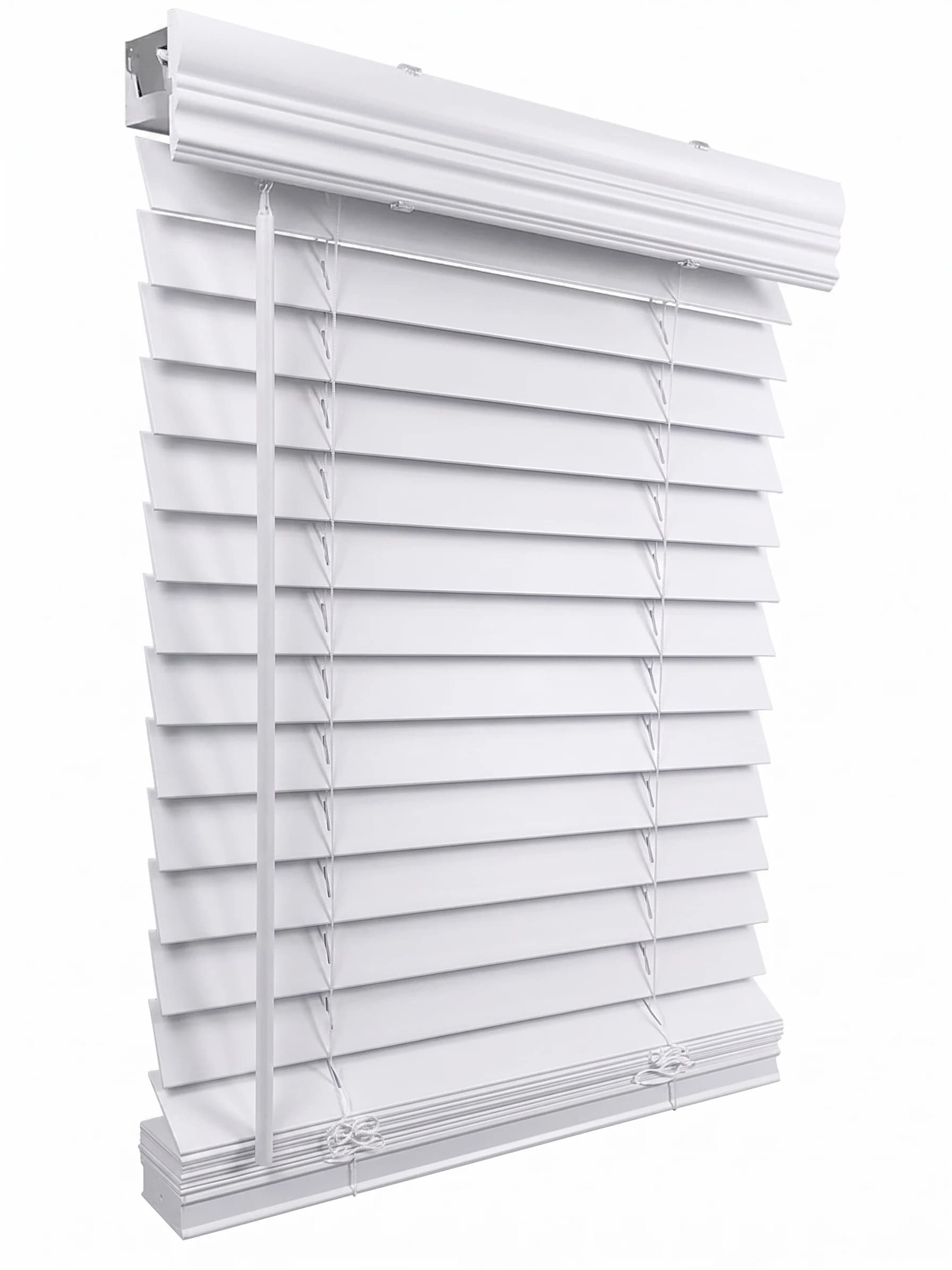
2" faux wood blinds — Seattle PM favorite
White cordless faux wood — moisture-resistant PVC, steel headrail. What many Puget Sound property managers specify for living rooms and bedrooms on turns.
1" vinyl mini blinds
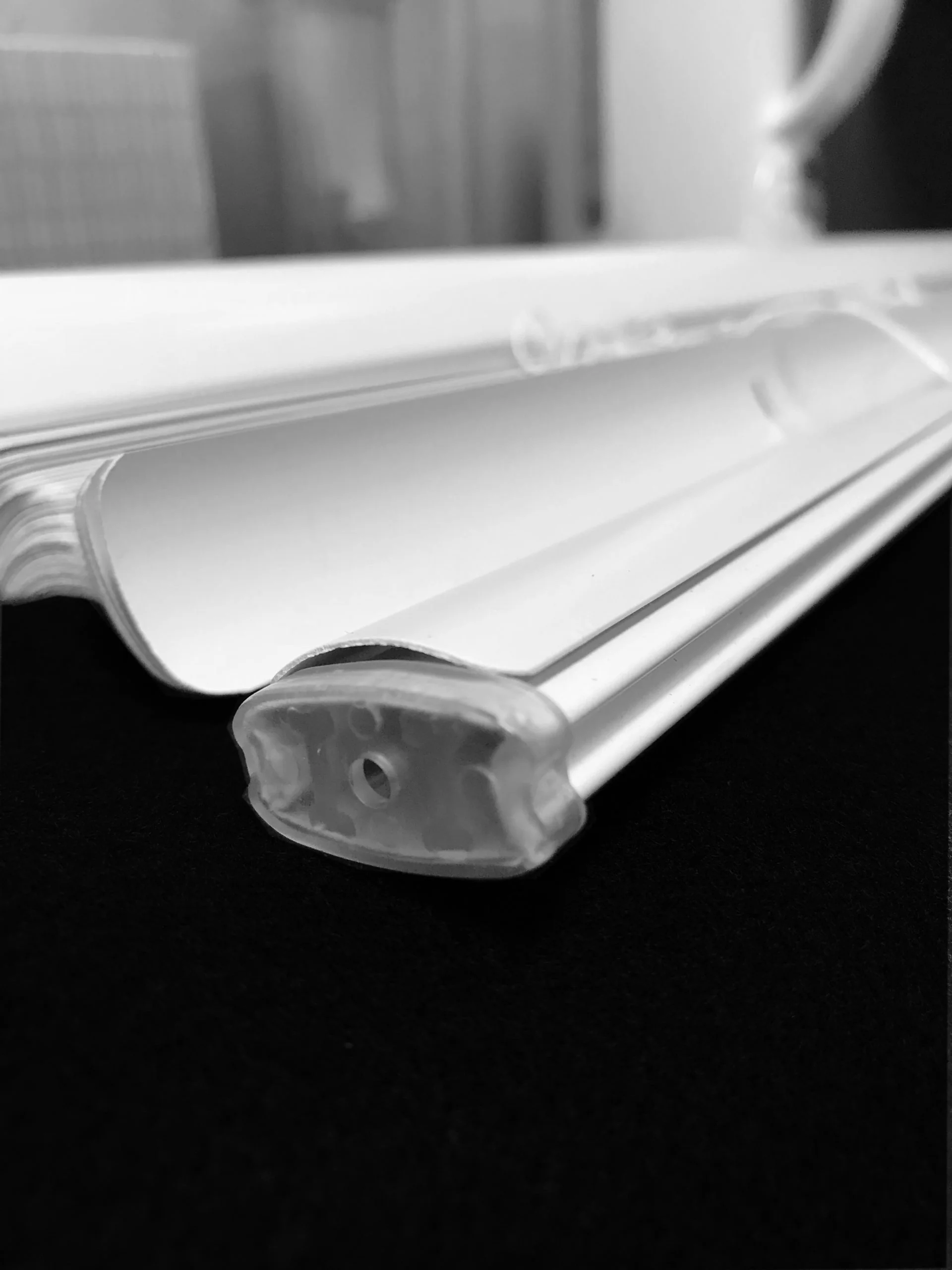
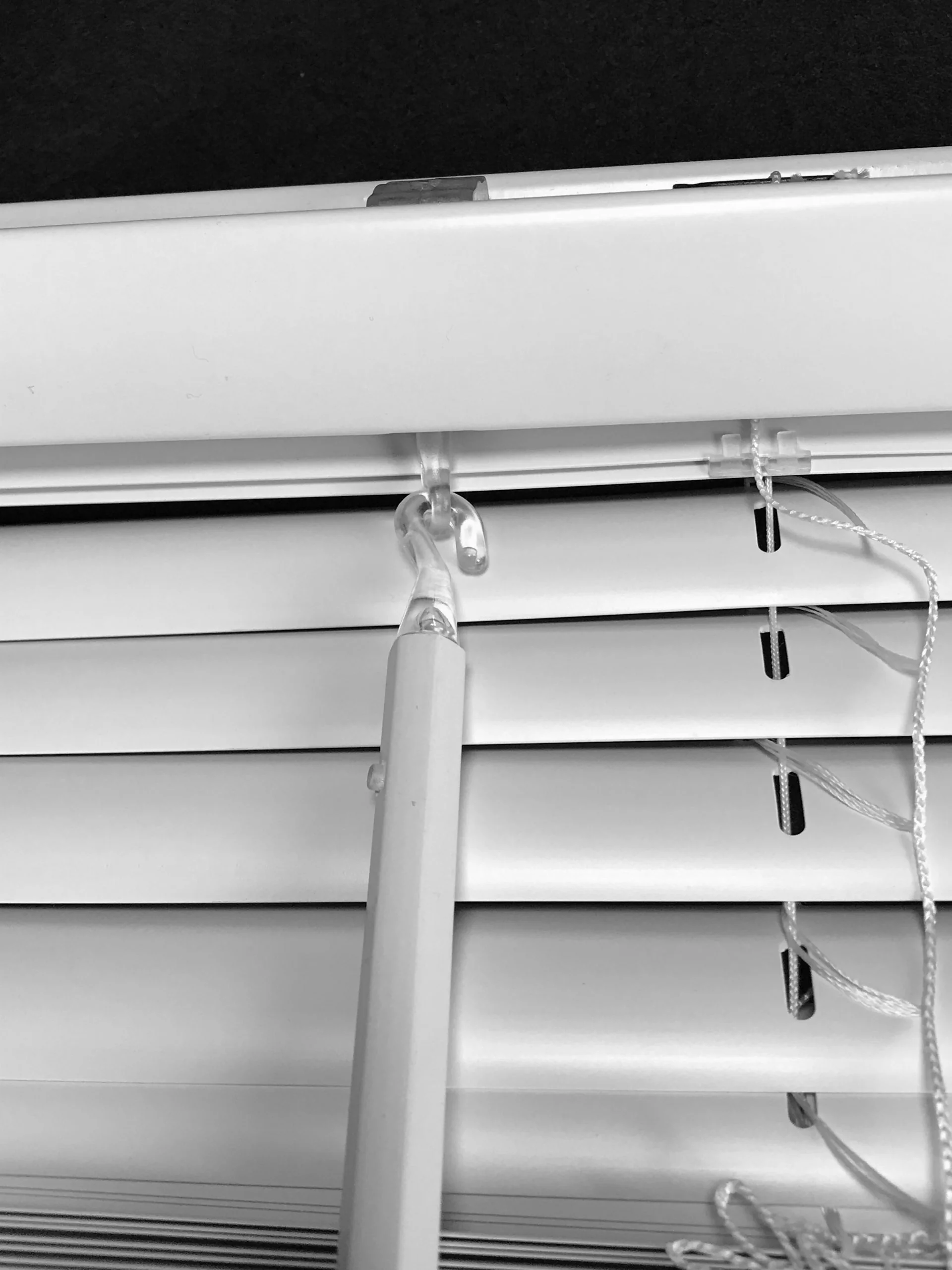
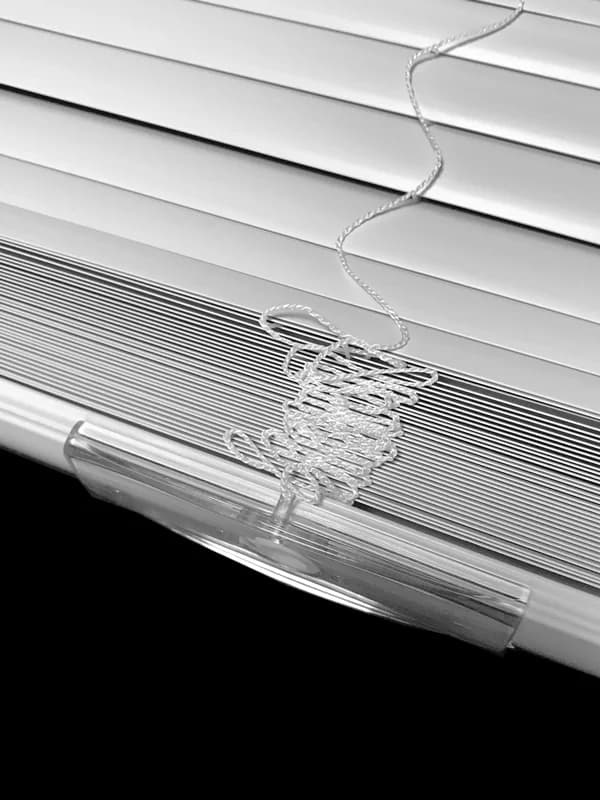
Budget turns, ADU rear units, and bath/kitchen openings — custom width and length, ship to Washington.
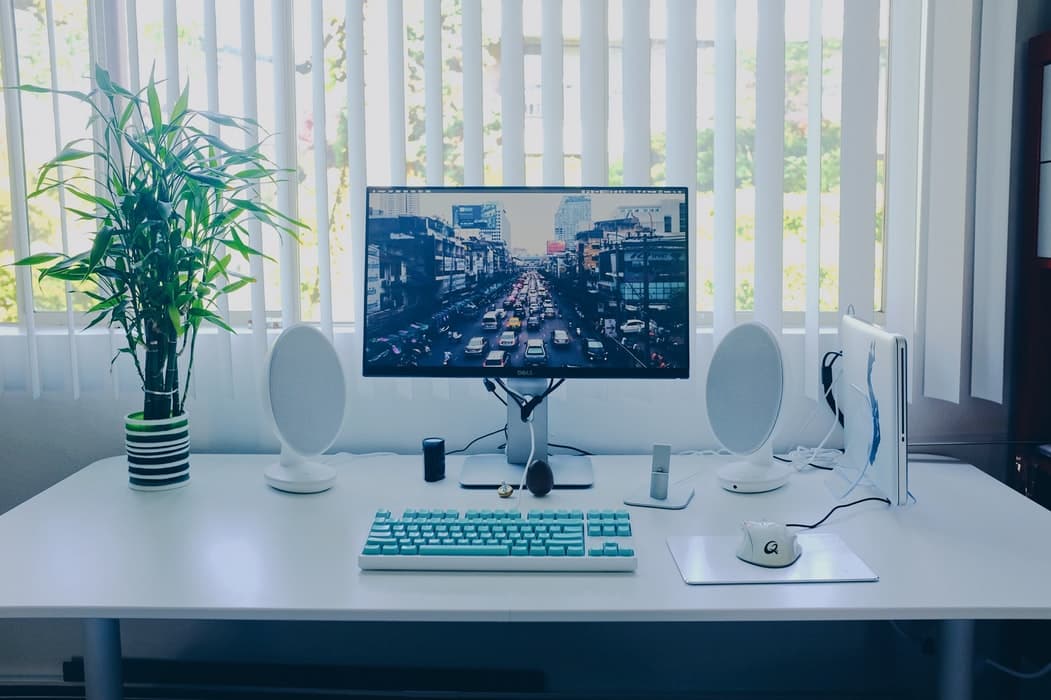
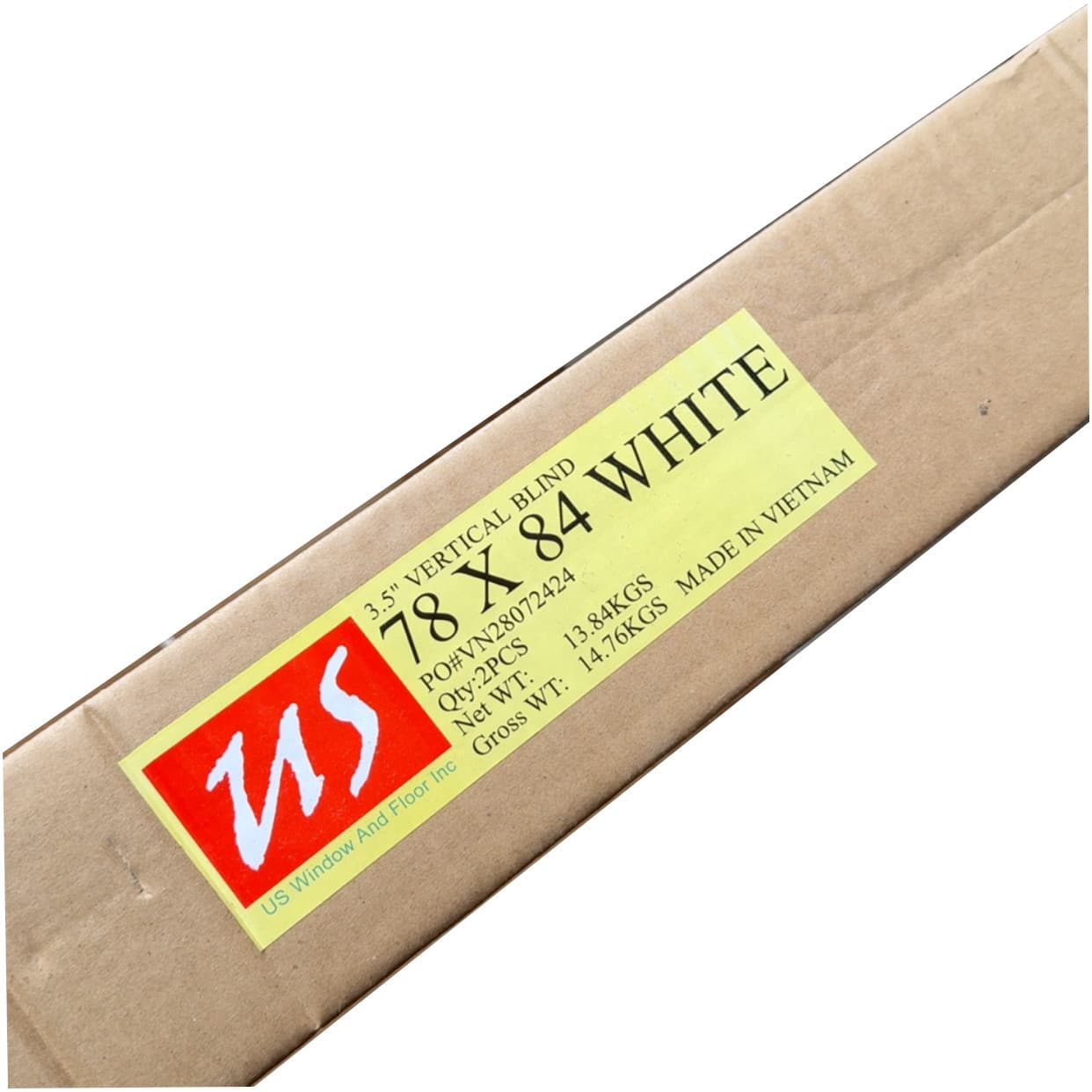
3.5" vertical blinds
Rear deck sliders — 68×84 and 78×84 reorder sizes.
Typical opening → blind size
Typical reorder bands for shipped Seattle-area turnover orders — measure each opening before ordering:
| Opening (approx.) | Order size | Room |
|---|---|---|
| 26"–30" | 25.5"–29.5" | Bedroom / secondary |
| 32"–36" | 31.5"–35.5" | Living / primary bedroom |
| 40"–44" | 39.5"–43.5" | Wide Craftsman front window |
| 68" × 84" slider | 68" × 84" vertical | Rear deck slider |
Mounting by material & situation
Pacific Northwest moisture makes material choice matter — PVC faux wood resists warp in kitchens and baths better than real wood. Confirm depth before inside-mounting a 2" headrail on Craftsman trim.
2" faux wood blinds
View product line →Frequently specified on Seattle-area turnover programs — white cordless 2" flat slats, steel headrail, moisture-resistant PVC. Deeper than vinyl mini; verify jamb depth first.
Inside mount — adequate Craftsman jamb depth
Measure width at top, middle, bottom; use narrowest. Measure height left, center, right; use longest. Needs more return depth than 1" mini — confirm roughly 1½"–2½" clear before ordering inside mount.
- Min depth:
- ≈ 1½"–2½"
- Hardware:
- Heavier brackets; #8 wood screws into solid trim
Outside mount on wide bungalow trim
Pro often usedWhen tapered trim, sash horns, or shallow returns block inside mount, face-mount on the flat trim board. Overlap 1½"–2" per side on street-facing rooms. Common on front rooms in Wallingford and Queen Anne fourplexes.
- Min depth:
- N/A — mounts on trim face
Grouped casements (courtyard walk-ups)
Pro often used1930s Capitol Hill units may have multiple casements in one room. Measure each opening separately — do not assume one width per wall. Casements need clearance for crank hardware when inside mounting.
1" vinyl mini blinds
View product line →Budget turnover line — rear ADU windows, baths, kitchens, and high-volume programs that prioritize cost per opening over the faux-wood look.
Inside mount — shallow secondary openings
Slim headrail fits some jambs faux wood cannot. Still measure depth — under 1" may need outside mount.
- Min depth:
- ≈ 1" clear
- Hardware:
- Included box brackets
Moisture-heavy rooms
Bath and kitchen openings in older craftsman units benefit from vinyl's easy wipe-down surface. Match white spec to faux wood units elsewhere in the building for a consistent turn.
3.5" vertical blinds
View product line →Rear deck sliders and post-war additions — not typical on original craftsman casements.
Wall-mount track above slider
Pro often usedFace-mount when the header is wood trim or uneven. Standard 68×84 and 78×84 pairs — measure glass width.
When to hire a pro in the Seattle area
First-floor craftsman turns are often handyman work. Third-floor walk-ups, outside mount on thick trim, courtyard casement walls, and fourplex make-readies push many owners toward a Puget Sound installer — especially during spring lease season. We custom-cut and ship blinds nationwide from Texas; in-home installation is available in the Dallas–Fort Worth metro only. For Washington properties, order by SKU and send our measuring guide to whoever is on site.
Frequently asked questions
Do Seattle landlords use faux wood or mini blinds?
Both. Many PMs specify 2" white cordless faux wood for main rooms — it reads more finished on craftsman trim and handles bathroom humidity better than real wood. Vinyl mini remains the budget default for high-turnover programs and secondary openings. There is no single city-wide spec; match your price tier and reorder habit.
What about roller shades and cellular shades?
Homeowners and upscale renter upgrades often choose rollers or cellulars for aesthetics and insulation. Multifamily turnover programs more commonly standardize on faux wood or vinyl mini because of cost per opening and easy window-for-window replacement. We stock faux wood, vinyl mini, and vertical — not cellular or roller on these guides.
What is a Seattle courtyard apartment?
Often a U-shaped walk-up from the 1920s–30s — brick or stucco, private court, multiple windows per unit for cross ventilation. Capitol Hill has many examples. Measure each opening; casement groups vary wall to wall.
Do you install in Seattle?
We install in the Dallas–Fort Worth metro and ship custom-cut blinds nationwide. Seattle landlords typically hire a local installer for turnover work; we supply sized product and SKU lists.
Do you ship to Seattle and the Eastside?
Yes — custom-cut blinds ship nationwide from Texas. Transit time depends on carrier service to your ZIP. Measure each unit; converted craftsman buildings rarely share one size per floor.
Metro guides
This housing archetype appears in these markets — browse local building stock and related field guides.
Related guides
- Twin Cities duplex & courtyard guide
Craftsman duplexes and courtyard walk-ups — comparable missing-middle stock.
- Chicago flat & courtyard guide
Flat-type and courtyard apartments — Midwest mounting patterns.
- LA courtyard & dingbat guide
Spanish Revival courts and postwar stucco dingbats — Southern California turnover stock.
- Eugene craftsman & fourplex guide
Working fourplexes and bungalow rentals — Willamette Valley turnover stock.
- Blinds for rental homes
Landlord specs and whole-building ordering.
- Shipping info
Lead times and delivery to Washington.