What makes Chicago flat-type buildings different
Unlike a single corridor “tenement,” Chicago flats organize units around vertical stair halls — often mirrored into four- or six-flats with a side gangway to the alley. Courtyard buildings repeat that module around an open court. The 1902 ordinance required exterior windows in every habitable room with operable upper sashes for ventilation, which is why you see tall double-hungs rather than picture windows in pre-war stock.
- Two- and three-flats are the basic unit; six-flats add a mirrored pair around a street-side stair hall plus a rear service stair
- Courtyard buildings line three sides of a landscaped court — front and court elevations often share window sizes per floor, but not between floors
- Greystones (limestone front, brick sides) are frequently owner-occupied or two-flat rentals — decorative trim can limit inside-mount depth
- Gangway-side and rear-court windows are often narrower and shorter than street-facing front rooms
- Brick and limestone lintels need the right anchors — avoid spalling by pre-drilling and matching screw length to substrate
- Rehabbed units sometimes mix original double-hungs with newer vinyl replacements in the same building — do not assume one size per floor
Products Chicago flat turns reorder most
Vinyl mini leads turnover volume in flat-type and courtyard stock. Vertical covers rehab sliders; faux wood upgrades street-facing front rooms when depth allows.
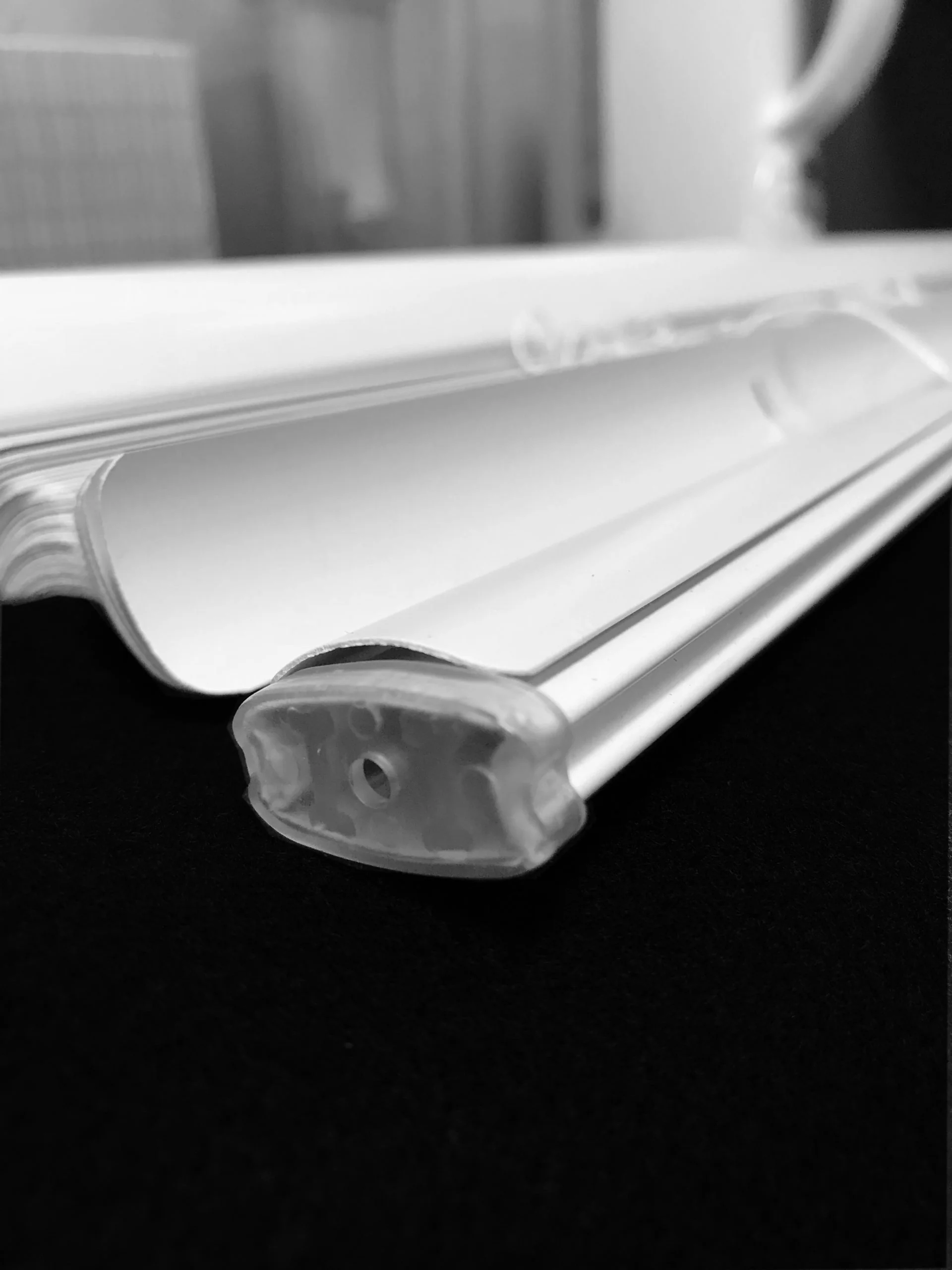
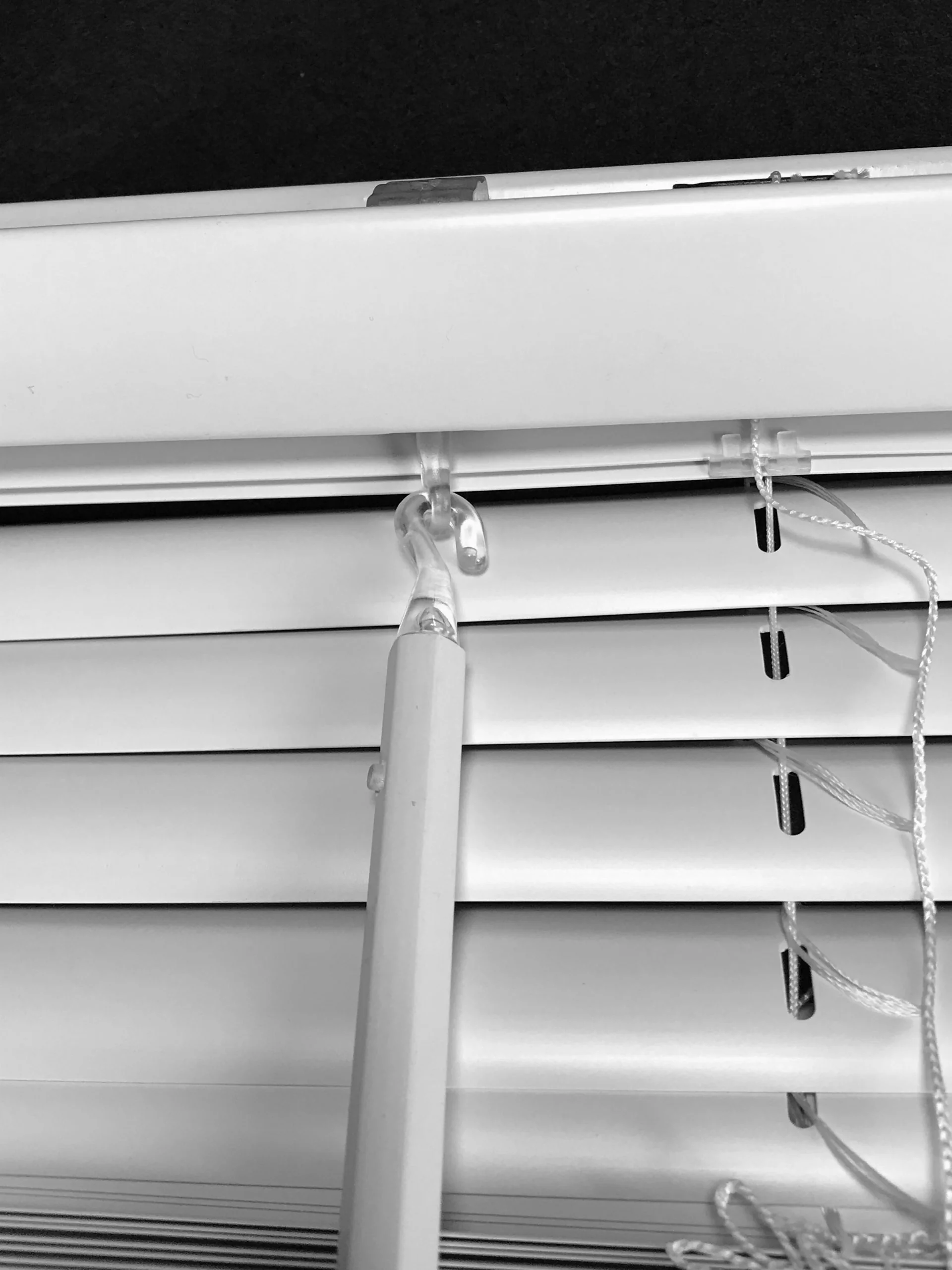
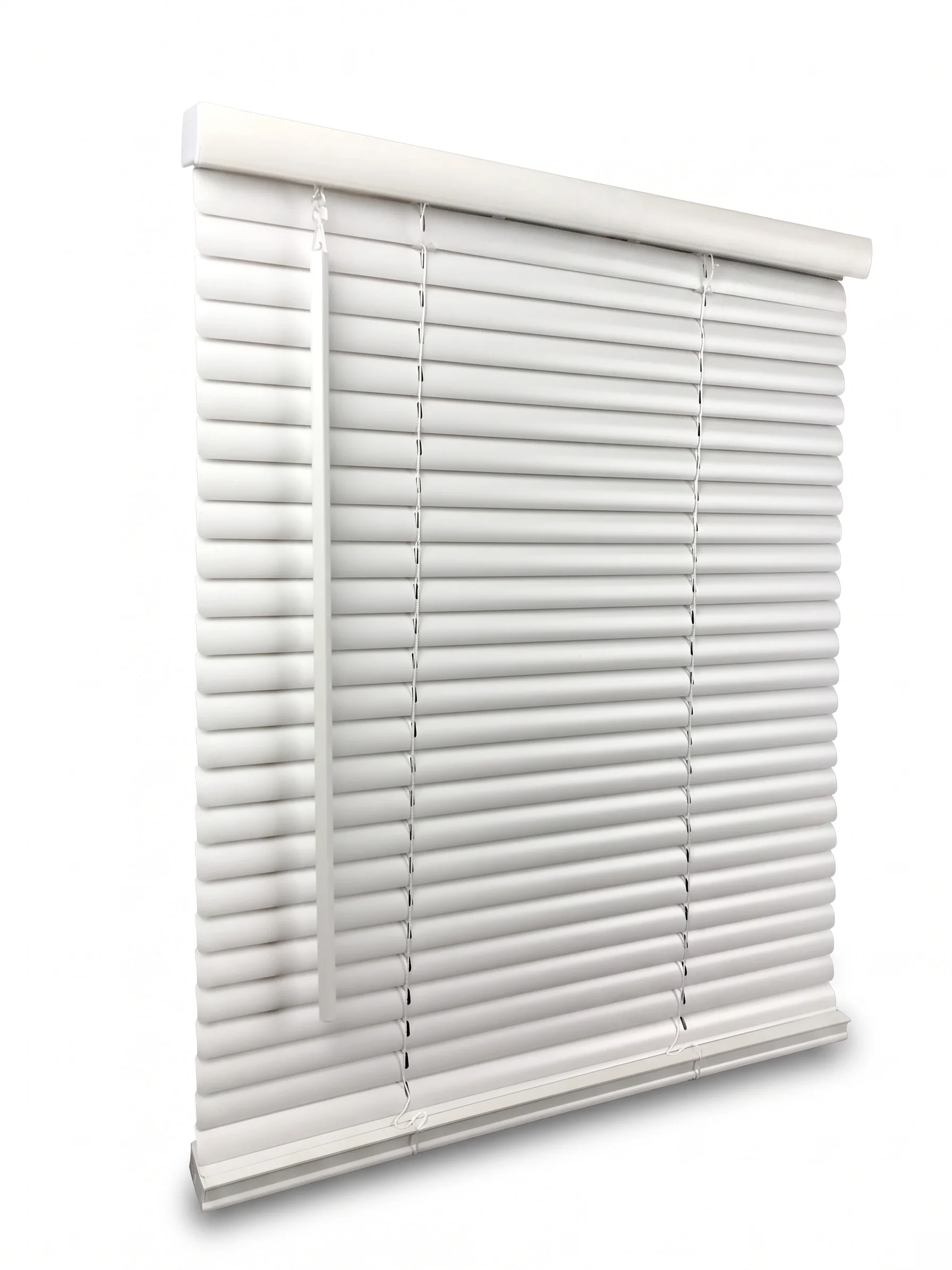
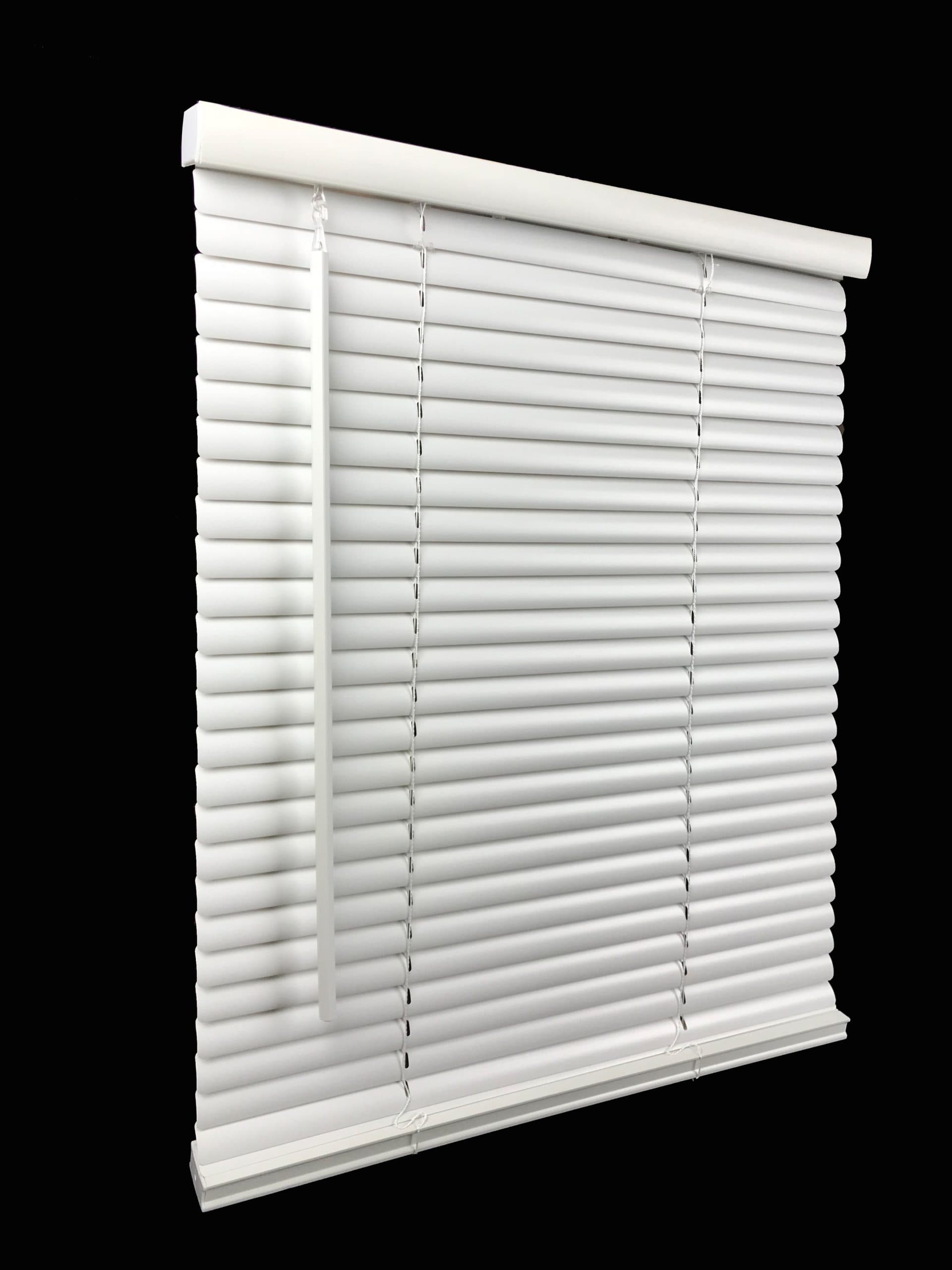
1" vinyl mini blinds — Chicago turnover standard
White cordless vinyl mini across front rooms, gangway bedrooms, and court-facing units. Custom width and length — ship to Illinois.

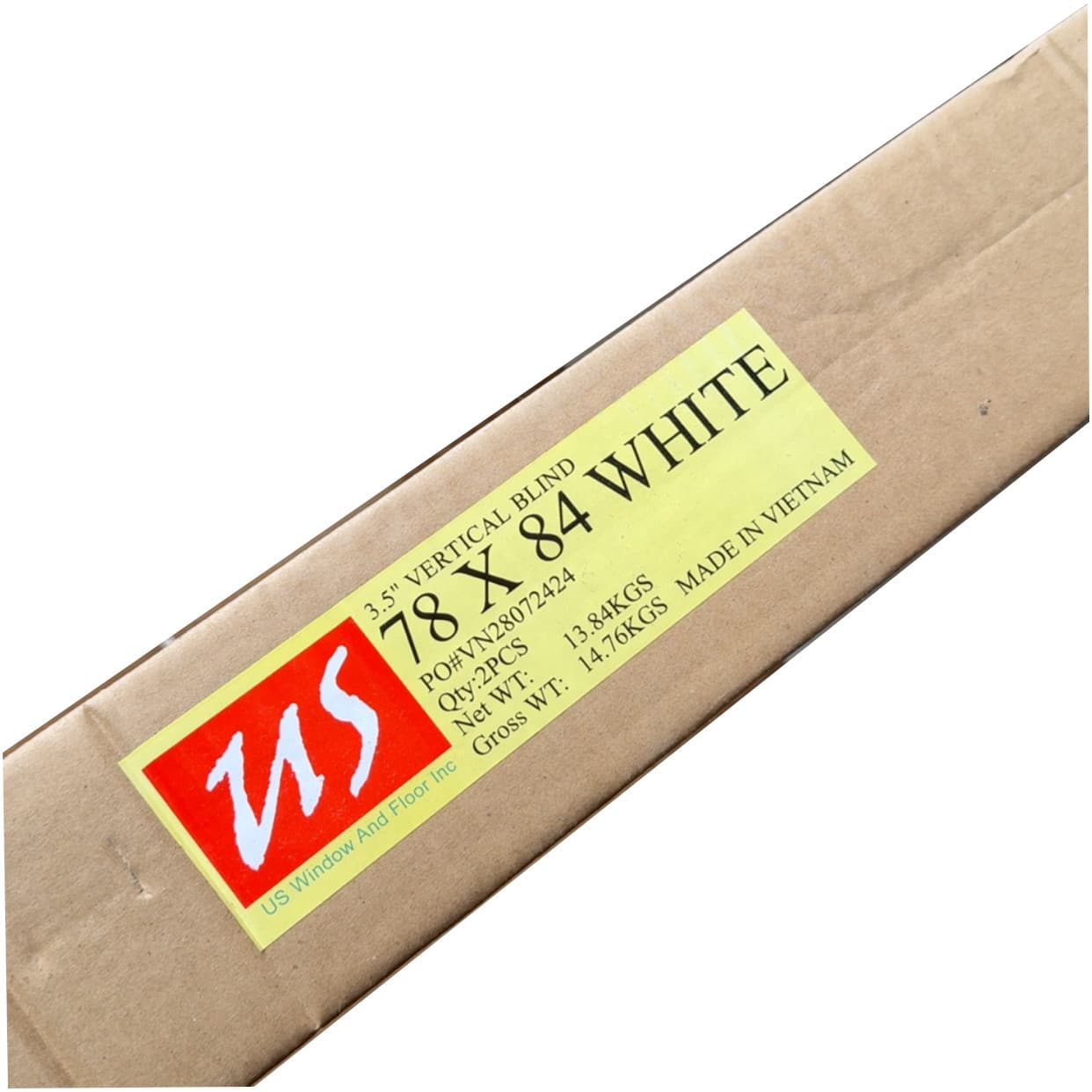
3.5" vertical blinds
Rear sliders and rehab patio doors — 68×84 and 78×84 reorder sizes.

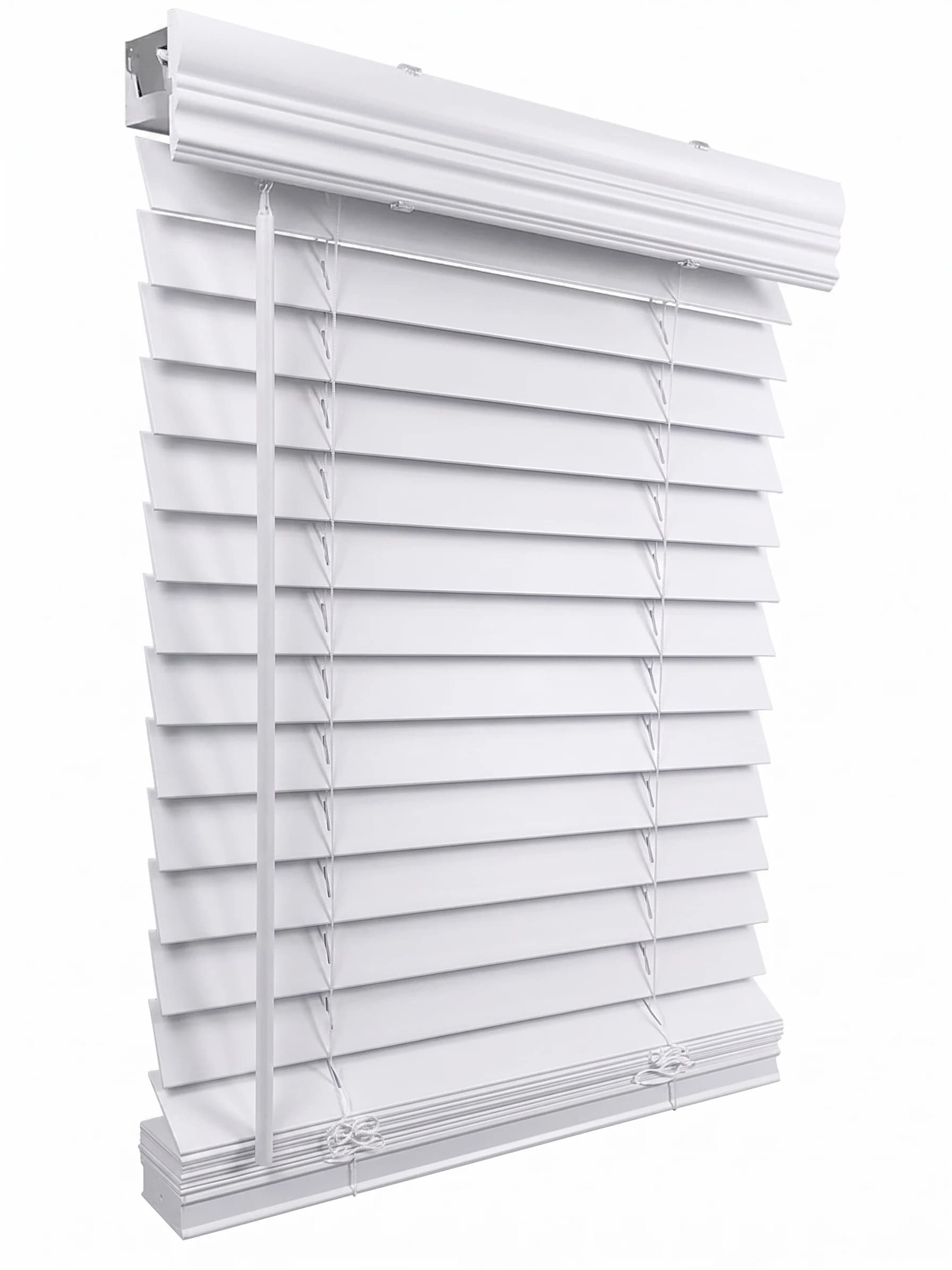
2" faux wood blinds
Front-room and greystone parlor upgrade when trim depth supports inside or outside mount.
Typical opening → blind size
Typical reorder bands for shipped Chicago-area turnover orders — always measure each opening before ordering:
| Opening (approx.) | Order size | Room |
|---|---|---|
| 24"–30" | 23.5"–29.5" | Gangway / rear court bedroom |
| 32"–36" | 31.5"–35.5" | Front room / living |
| 40"–42" | 39.5"–41.5" | Wide greystone front window |
| 68" × 84" slider | 68" × 84" vertical | Rear deck or rehab slider |
Mounting by material & situation
Chicago flats share mounting logic with other pre-war wood-frame cities — depth and substrate pick inside vs outside mount before you pick slat size.
1" vinyl mini blinds
View product line →Highest-volume line for Chicago turns — light headrail fits many shallow brick returns; cordless lift is standard on our vinyl line.
Inside mount — wood double-hung with adequate depth
Measure width at top, middle, bottom; use narrowest. Measure height left, center, right; use longest. Brackets mount high enough that lowered slats do not hit the sill projection common on Chicago double-hungs. Factory deducts about ½" width for clearance.
- Min depth:
- ≈ 1" clear depth in the frame
- Hardware:
- Included box brackets; #8 wood screws into solid jamb or trim liner
Outside mount — greystone or shallow brick trim
Pro often usedGreystones and older brick flats often leave under 1" of flat jamb depth once sash horns and stops are accounted for. Mount on the wood trim face or build out with spacer blocks. Overlap 1½"–2" per side for privacy on street-facing rooms.
- Min depth:
- N/A — mounts on trim face or wall
- Hardware:
- Extended brackets or spacer blocks when trim is proud of masonry
Gangway and courtyard openings
Side and rear windows face the gangway or inner court — narrower openings, sometimes security bars or screens. Confirm bar release before ordering drop length. Privacy mini in white is the usual spec; match width to the narrowest measurement.
- Hardware:
- Shorter screws if jamb is thin wood liner over masonry
Masonry adjacent to wood jamb
Pro often usedMany Chicago flats have brick returns with a wood window liner. Drill into wood for brackets — not into loose brick at the jamb edge. If only masonry is available, use appropriate anchors and keep bracket load on solid material.
- Hardware:
- Masonry anchors only where solid brick is confirmed
2" faux wood blinds
View product line →Used on street-facing front rooms and greystone parlor windows when owners want a cleaner line — verify depth before specifying over mini company-wide.
Inside mount — front room double-hung
Pro often usedGreystone parlor windows can be wide (40"+) but shallow. Confirm 1½"–2½" return depth before inside mount. Wide openings may need a two-on-one headrail — measure total trim width you want covered.
- Min depth:
- ≈ 1½"–2½"
- Hardware:
- Heavier brackets; longer screws into solid wood liner
Outside mount on limestone or wood lintel
Pro often usedDecorative lintels and tall trim on greystones favor outside mount. Account for radiator or deep sill below — measure height to the obstruction, not just the glass.
3.5" vertical blinds
View product line →Less common on classic flat stock but used on rear sliders added during rehab or in post-war wings with patio doors.
Wall-mount track above slider
Pro often usedFace-mount the track when the header is uneven brick or when inside the frame is too shallow. Keep stack side clear of the handle and security door if present.
Courtyard-facing slider
Rear units opening to a deck or court often use 68×84 or 78×84 vertical pairs. Measure glass width — rehab openings vary even within the same courtyard building.
- Hardware:
- Masonry or wood anchors depending on header material
When to hire a pro in Chicago-area buildings
Owner-occupants and small landlords often DIY first-floor turns. Outside mount on greystone trim, masonry anchor work, courtyard security bars, and third-floor long drops push many portfolios toward a local handyman or window-treatment installer — especially during spring and fall lease changeover. We custom-cut and ship blinds nationwide from Texas; in-home installation is available in the Dallas–Fort Worth metro only. For Chicago properties, order by SKU and send our measuring guide and mount notes to whoever is on site.
Frequently asked questions
What is a Chicago three-flat vs a courtyard building?
A three-flat has three stacked apartments in one building, usually sharing a front stair hall. A courtyard building repeats flat-type modules around an open court — often six-flats per wing — so units get cross ventilation and light from both street and court. Window sizes may repeat on each elevation but still differ front to back.
Do greystones need different blinds than brick three-flats?
Same product lines — usually vinyl mini — but greystones often have shallower decorative trim and wider front windows. Outside mount on the wood trim face is more common on greystones. Measure depth before assuming inside mount will fit.
Do you install in Chicago?
We install in the Dallas–Fort Worth metro and ship custom-cut blinds nationwide. Chicago landlords and property managers typically hire a local installer for turnover work; we supply sized product and SKU lists.
Why do so many Chicago windows have tall double-hungs?
The 1902 Tenement House Ordinance required operable windows in every habitable room — often with the upper sash opening for ventilation. That legacy shape affects bracket placement: keep hardware clear of moving sashes.
Do you ship to Chicago and suburbs?
Yes — custom-cut blinds ship nationwide from Texas. Transit time depends on carrier service to your ZIP. Measure each unit; flat buildings repeat floorplans but not always identical openings after decades of sash replacement.
Metro guides
This housing archetype appears in these markets — browse local building stock and related field guides.
Related guides
- Pre-war apartment guide
Shallow jambs and slider verticals — similar Northeast pre-war patterns.
- Triple-decker window guide
Boston stacked flats — comparable wood-frame turnover stock.
- Twin Cities duplex & courtyard guide
Double bungalows, fourplexes, and courtyard walk-ups in Minnesota.
- Seattle craftsman & courtyard guide
Pacific Northwest craftsman stock — faux wood–forward landlord specs.
- Blinds for rental homes
Landlord specs and whole-building ordering.
- Shipping info
Lead times and delivery expectations for out-of-market orders.