Twin Cities housing types you will actually measure
Minneapolis and St. Paul share Midwestern Craftsman and Prairie-era DNA but use different labels. Hennepin County assessors long called duplexes “double bungalows.” St. Paul has dense blocks of Victorian and working-class housing with piano windows — small transoms above larger fixed or casement groups. Both cities also have 1930s U-shaped courtyard walk-ups (often credited to architect Perry Crosier’s light-and-air planning) with six to eleven windows per unit and French-pane casements.
- Double bungalow / Craftsman duplex (≈1912–1929): up/down or side-by-side; exterior windows usually align between floors on properties built as duplexes
- Converted duplexes: chopped floorplans, mismatched windows between units — measure every opening, do not copy the other unit
- American Foursquare: cube-shaped two-story homes, often four-over-one double-hungs; paired windows on front and side elevations
- Missing middle (duplex through fourplex): Minneapolis allows up to three units on residential lots; St. Paul expanded fourplex zoning — same blind specs, more units per roof
- 1930s courtyard walk-ups: red-brick U-shaped buildings, private courts, walk-up entries — high window count per unit, cross-ventilation by design
- Piano / transom windows: fixed or casement transom above a larger lower pane — common in St. Paul working-class stock from the 1890s–1930s
- Minnesota “twin home” is not a duplex — two separately platted units sharing a wall; each owner orders for their own openings
Products Twin Cities turns reorder most
Vinyl mini leads duplex and fourplex volume. Vertical covers rehab sliders; faux wood upgrades Craftsman and Foursquare front rooms when depth allows.
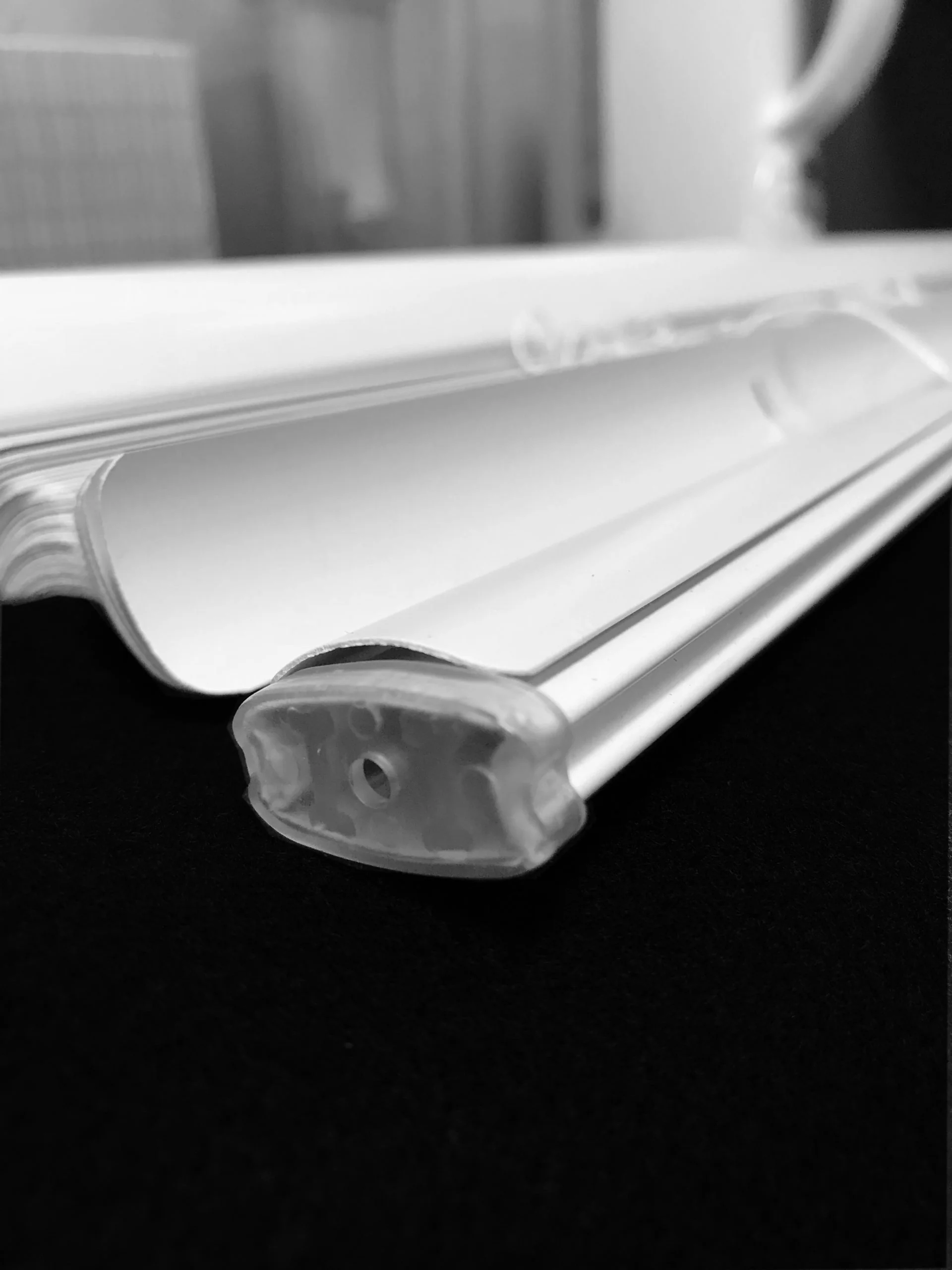
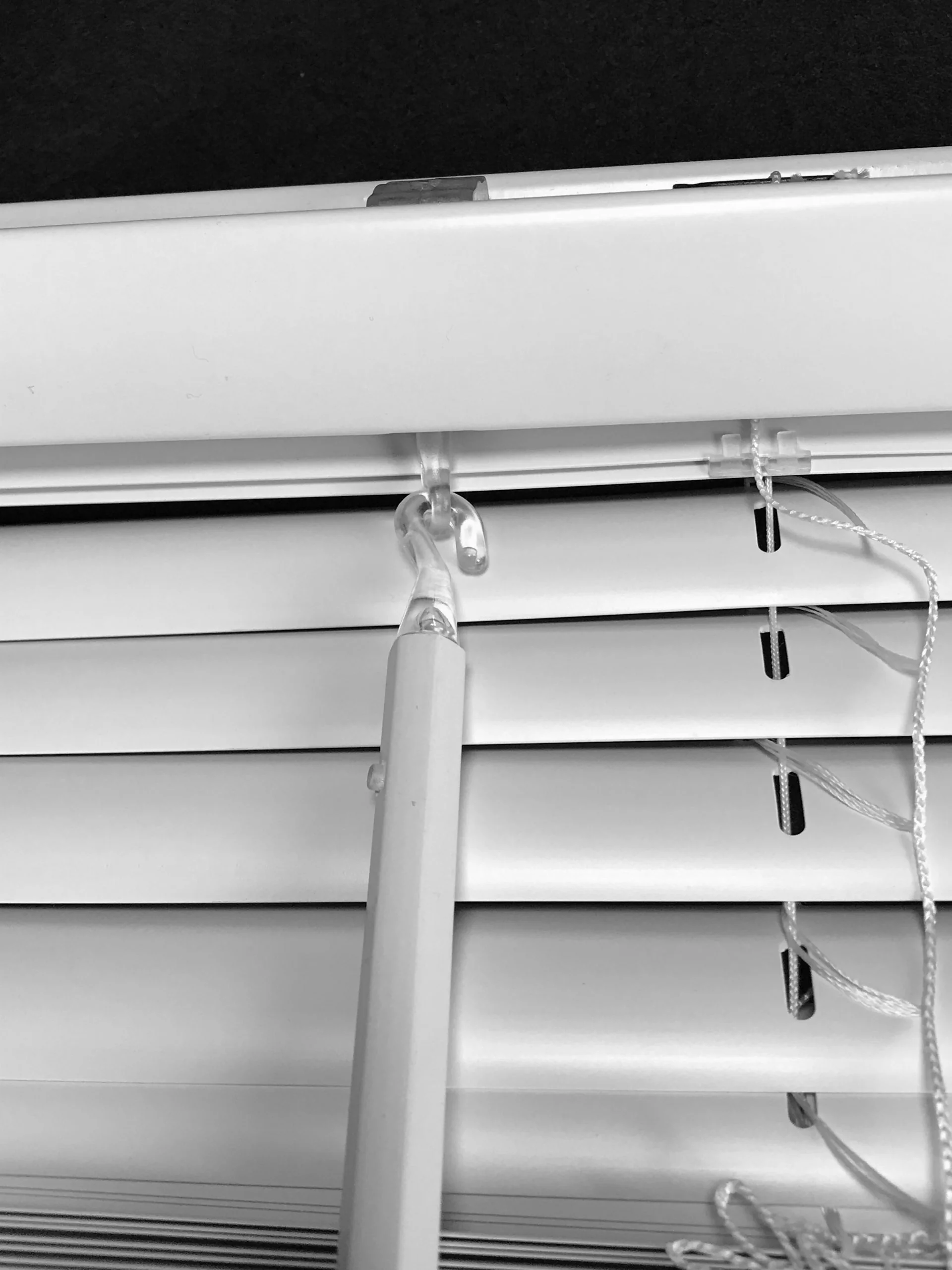
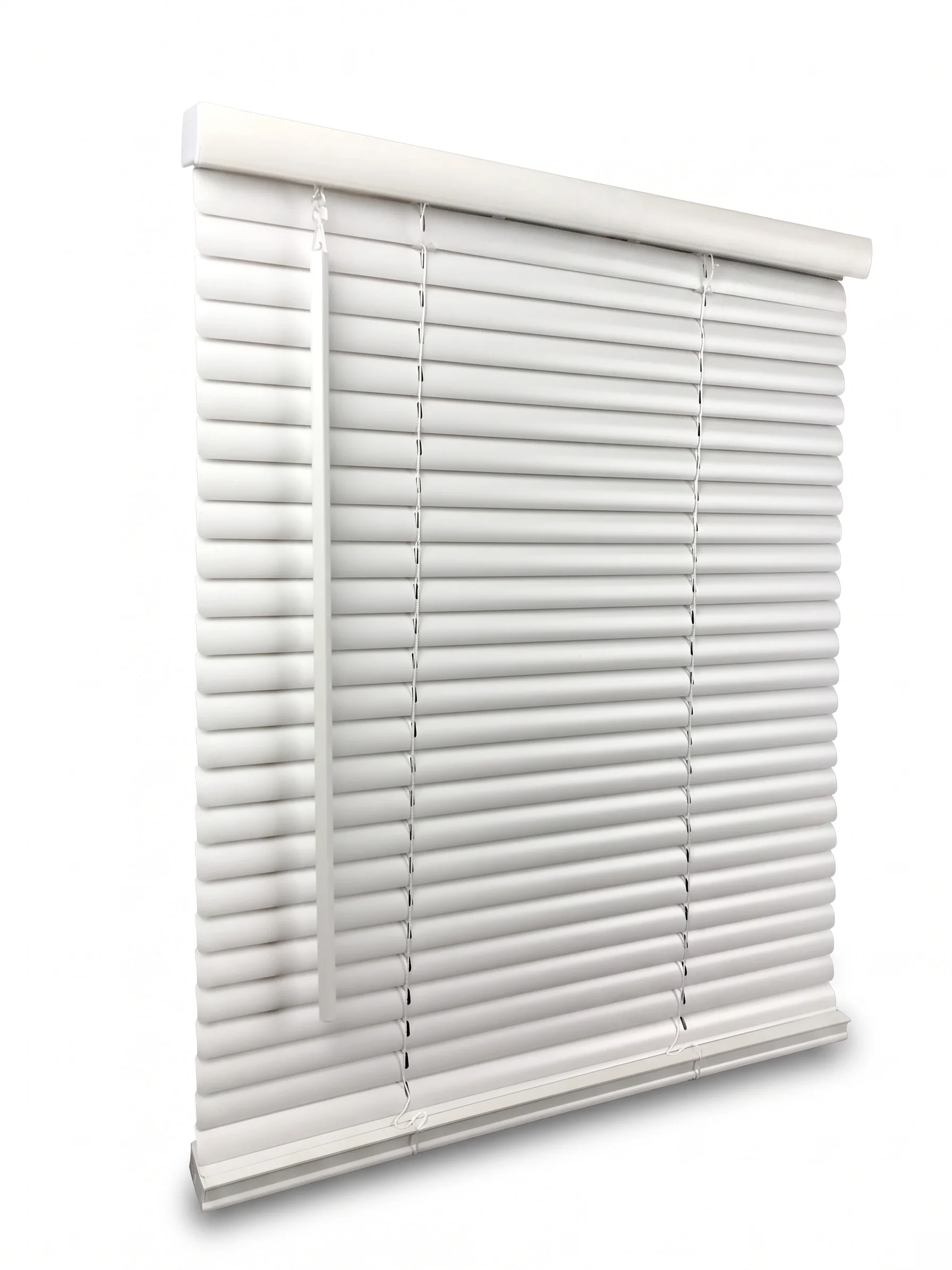
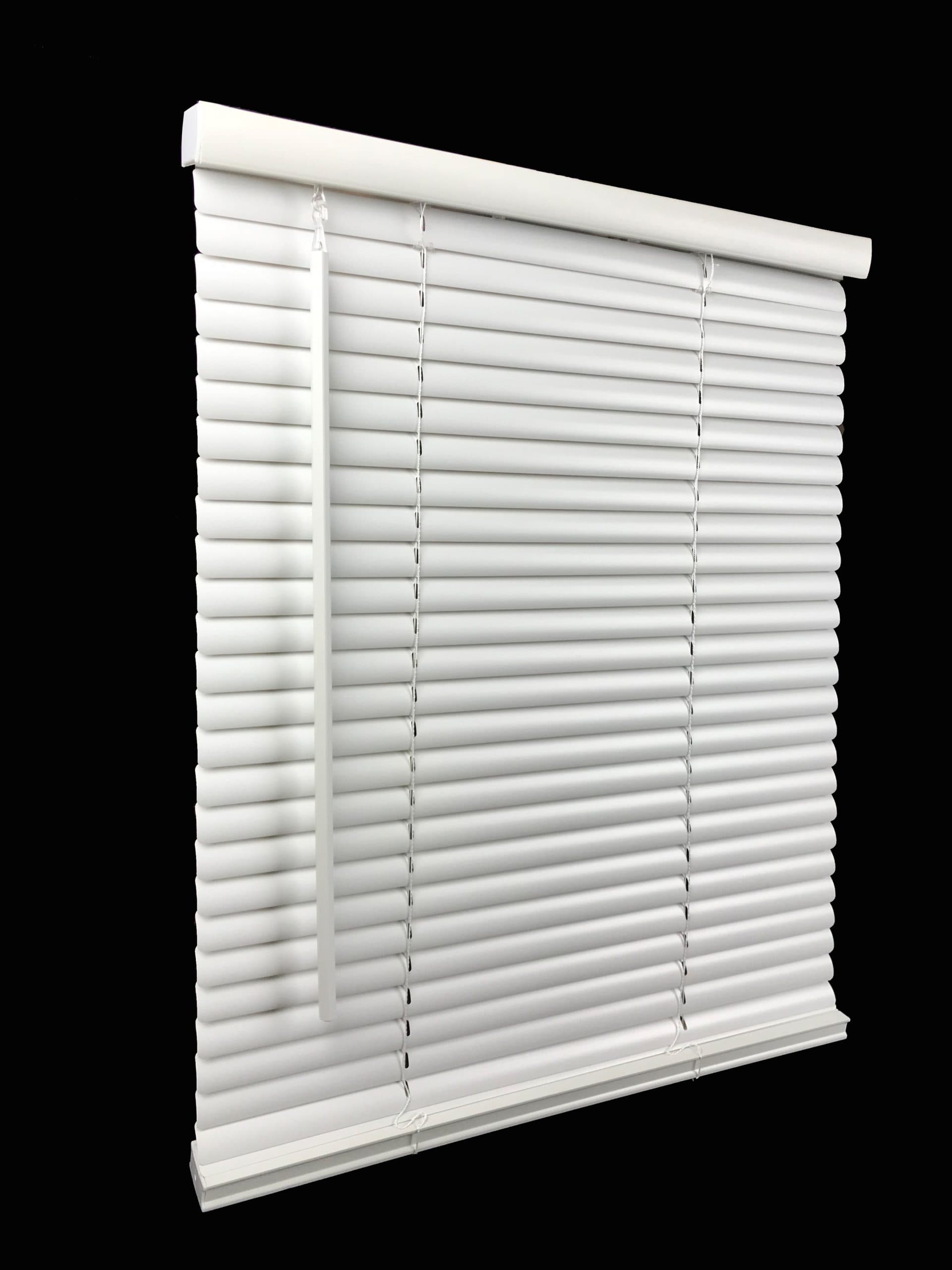
1" vinyl mini blinds — Twin Cities turnover standard
White cordless vinyl mini across double bungalows, fourplex units, and walk-up bedrooms. Custom width and length — ship to Minnesota.

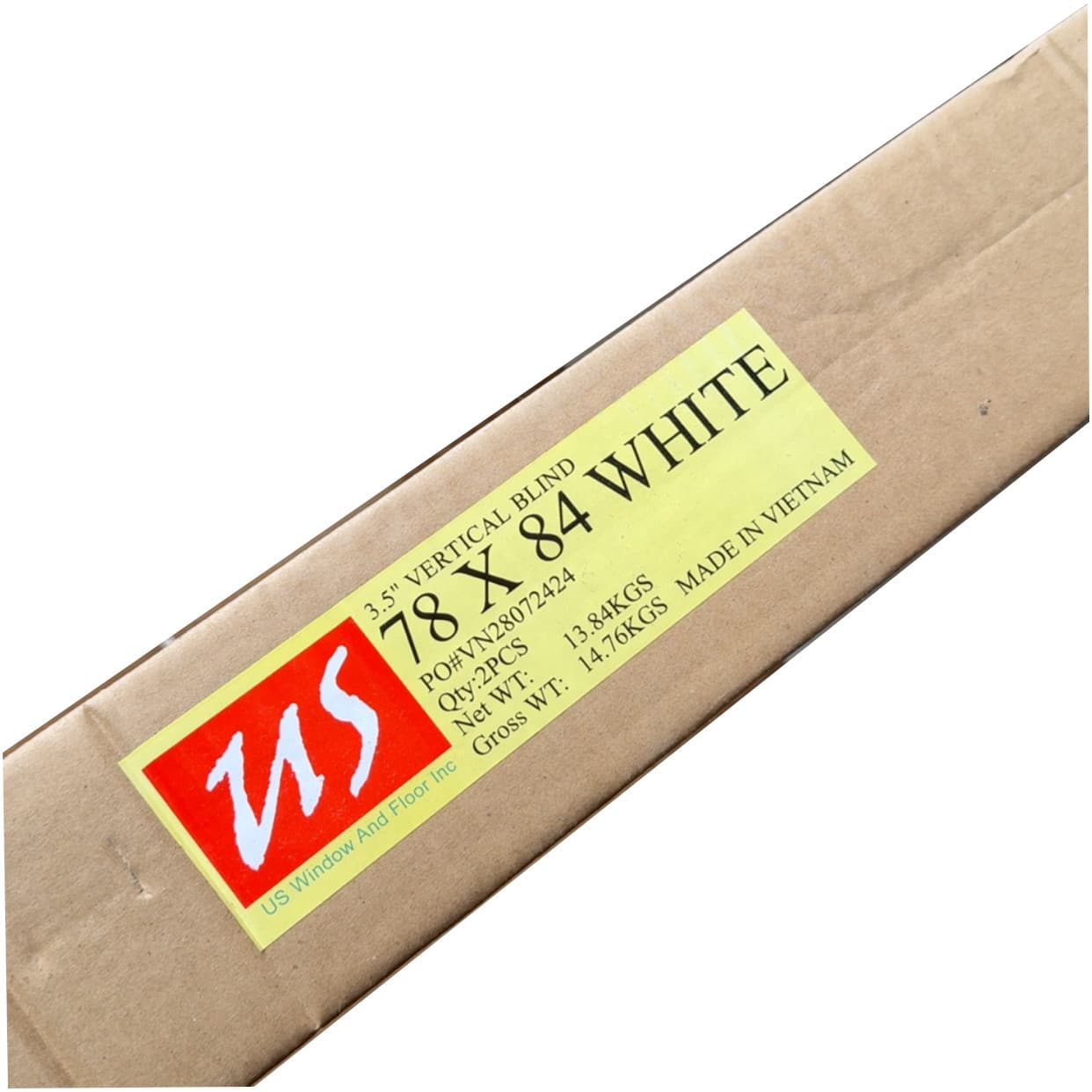
3.5" vertical blinds
Rear sliders on rehabs and fourplex additions — 68×84 and 78×84 reorder sizes.

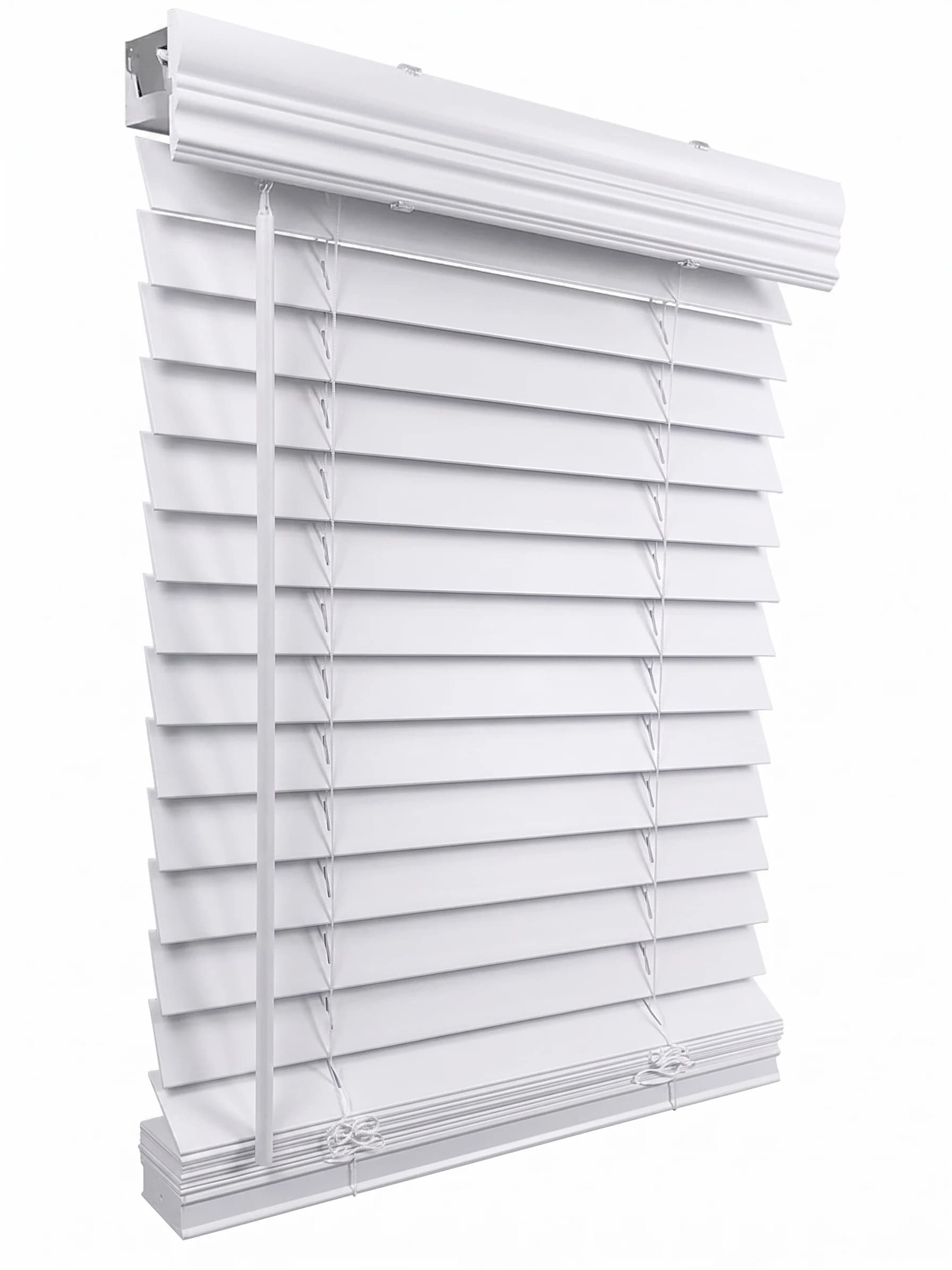
2" faux wood blinds
Craftsman and Foursquare front-room upgrade when trim depth supports inside or outside mount.
Typical opening → blind size
Typical reorder bands for shipped Twin Cities turnover orders — measure each opening before ordering:
| Opening (approx.) | Order size | Room |
|---|---|---|
| 24"–30" | 23.5"–29.5" | Bedroom / secondary |
| 32"–36" | 31.5"–35.5" | Living / primary bedroom |
| 38"–42" | 37.5"–41.5" | Wide Craftsman front window |
| 68" × 84" slider | 68" × 84" vertical | Rear deck or rehab slider |
Mounting by material & situation
Pick inside vs outside mount from depth, storm hardware, and sash type — then choose vinyl mini, faux wood, or vertical for sliders.
1" vinyl mini blinds
View product line →Default for Twin Cities duplex and fourplex turns — slim headrail handles many storm-window tracks better than faux wood.
Inside mount — wood double-hung (no storm track conflict)
Measure width at top, middle, bottom; use narrowest. Measure height left, center, right; use longest. On born duplexes, upper and lower units often share the same opening width at the same location — verify before bulk-ordering one SKU per elevation.
- Min depth:
- ≈ 1" clear depth past any obstructions
- Hardware:
- Included box brackets; #8 wood screws into solid trim
Storm windows and combination units
Pro often usedExterior aluminum storm windows and track hardware reduce effective jamb depth. Measure from the innermost obstruction (storm frame, sash lock, or handle) to the trim face. When depth is under 1", outside mount on the interior trim or remove storms temporarily for measurement only.
- Min depth:
- Measure unobstructed depth — often under 1" with storms in place
Piano window + lower sash group
St. Paul and Minneapolis bungalows often pair a fixed transom or piano window above a larger double-hung. Mount mini inside the lower opening only, or outside-mount one headrail covering the full trim width you want shaded — do not block operable transoms if the tenant still opens them for ventilation.
- Hardware:
- Outside mount may need longer screws through thick Craftsman trim
Side-by-side duplex — matching elevations
Side-by-side units on first-ring streets (Richfield, St. Louis Park, etc.) often have mirrored window layouts. You can standardize white mini specs per room type, but confirm both sides after any unit-specific rehab.
2" faux wood blinds
View product line →Front-room upgrade on Foursquares and Craftsman duplexes when trim depth allows — less common than mini on small missing-middle turns.
Inside mount — Foursquare front paired windows
Pro often usedAmerican Foursquares often have paired double-hungs on the first and second floor. Each opening is ordered separately unless you specify a two-on-one headrail for a shared trim bay. Confirm 1½"–2½" depth before inside mount.
- Min depth:
- ≈ 1½"–2½"
Outside mount on deep Craftsman trim
Pro often usedWide trim boards and knee brackets on bungalows favor outside mount when inside depth is tight. Account for radiator covers and window seats common in Arts & Crafts floorplans.
3.5" vertical blinds
View product line →Used on rear sliders and patio doors in rehabbed fourplexes; rare on original 1930s casement-heavy walk-ups.
Slider on missing-middle fourplex
Newer rear additions and fourplex rehabs sometimes add sliding doors. Standard 68×84 and 78×84 vertical pairs apply — measure glass width, not the rough opening.
- Hardware:
- Wood or vinyl header depending on rehab era
Courtyard walk-up — avoid casement conflict
1930s walk-ups often have French-pane casements for cross ventilation. Vertical track is usually wrong for those openings — stay with mini or faux on double-hungs; reserve vertical for true sliders only.
Pro install vs DIY in the Twin Cities
Owner-occupants and small landlords often handle first-floor duplex turns themselves. Second-floor long drops, outside mount with storm windows in place, casement-heavy walk-ups, and fourplex make-readies push many portfolios to a local installer — especially before September lease turnover and after winter when tenants report stuck sashes. We custom-cut and ship blinds nationwide from Texas; in-home installation is available in the Dallas–Fort Worth metro only. For Minnesota properties, order by SKU and send our measuring guide to whoever is on site.
Frequently asked questions
What is a double bungalow in Minneapolis?
Local assessor terminology for a duplex — often a Craftsman-era building with similar floorplans on each floor or side. Born double bungalows usually have windows in the same locations on both units; converted houses do not.
How are Twin Cities courtyard apartments different from Chicago courtyards?
Both prioritize light and cross ventilation, but Twin Cities walk-ups from the 1930s (e.g. Whittier in Minneapolis, Highland in St. Paul) are often U-shaped brick garden courts with French-pane casements and walk-up entries — not the Chicago six-flat module around a street-facing court. Window count per unit is high; measure each room.
Do storm windows change what blind I can order?
They reduce inside-mount depth. Measure with storms in place if tenants keep them year-round. Outside mount on interior trim, or vinyl mini with a shallow headrail, is often the practical fix when depth is under 1".
Do you install in Minneapolis or St. Paul?
We install in the Dallas–Fort Worth metro and ship custom-cut blinds nationwide. Twin Cities landlords and owner-occupants typically hire a local installer for turnover work; we supply sized product and SKU lists.
Is a twin home the same as a duplex?
In Minnesota, no. A twin home is two separately owned units sharing a wall, each with its own parcel ID. A duplex is one building, one owner, two units — usually one property ID. Order blinds per unit and per opening either way.
Metro guides
This housing archetype appears in these markets — browse local building stock and related field guides.
Related guides
- Chicago flat & courtyard guide
Midwest flat-type and courtyard stock — comparable mounting patterns.
- Triple-decker window guide
Boston stacked flats — similar wood-frame duplex logic.
- Seattle craftsman & courtyard guide
Craftsman fourplexes and Capitol Hill courts — faux wood PM specs.
- Eugene craftsman & fourplex guide
Working fourplexes and bungalow rentals — Willamette Valley turnover stock.
- Blinds for rental homes
Landlord specs and whole-building ordering.
- Shipping info
Lead times and delivery to Minnesota.