Where patio sliders show up (same opening, different housing)
This guide is product-first — it applies wherever a sliding glass door appears. Use regional field guides for whole-home specs; use this page when the question is specifically about the slider opening.
- Production home rear patio (Houston, Phoenix, DFW, Florida): 72" × 80" glass common — rollers trending, verticals still budget default
- Garden-style apartments (1960s–1990s): 68×84 and 78×84 vertical pairs — highest PM reorder volume
- Ranch and mid-century SF: mix of 68×84 vertical and wide rollers on oversized patio walls
- Florida lanai sliders: rollers lead; vertical when price per opening matters
- Wide patio walls over 80"–96": wide-width roller line — one fabric span vs vertical vanes
- Stack side must clear the active door panel and handle — standardize across a community on PM turns
Products patio slider orders use most
Vertical leads apartment and budget specs. Rollers lead new production closes. Wide rollers cover oversized patio walls.
3.5" vertical blinds — 68×84 & 78×84
Apartment turnover default — stack left or right, face-mount track above header.

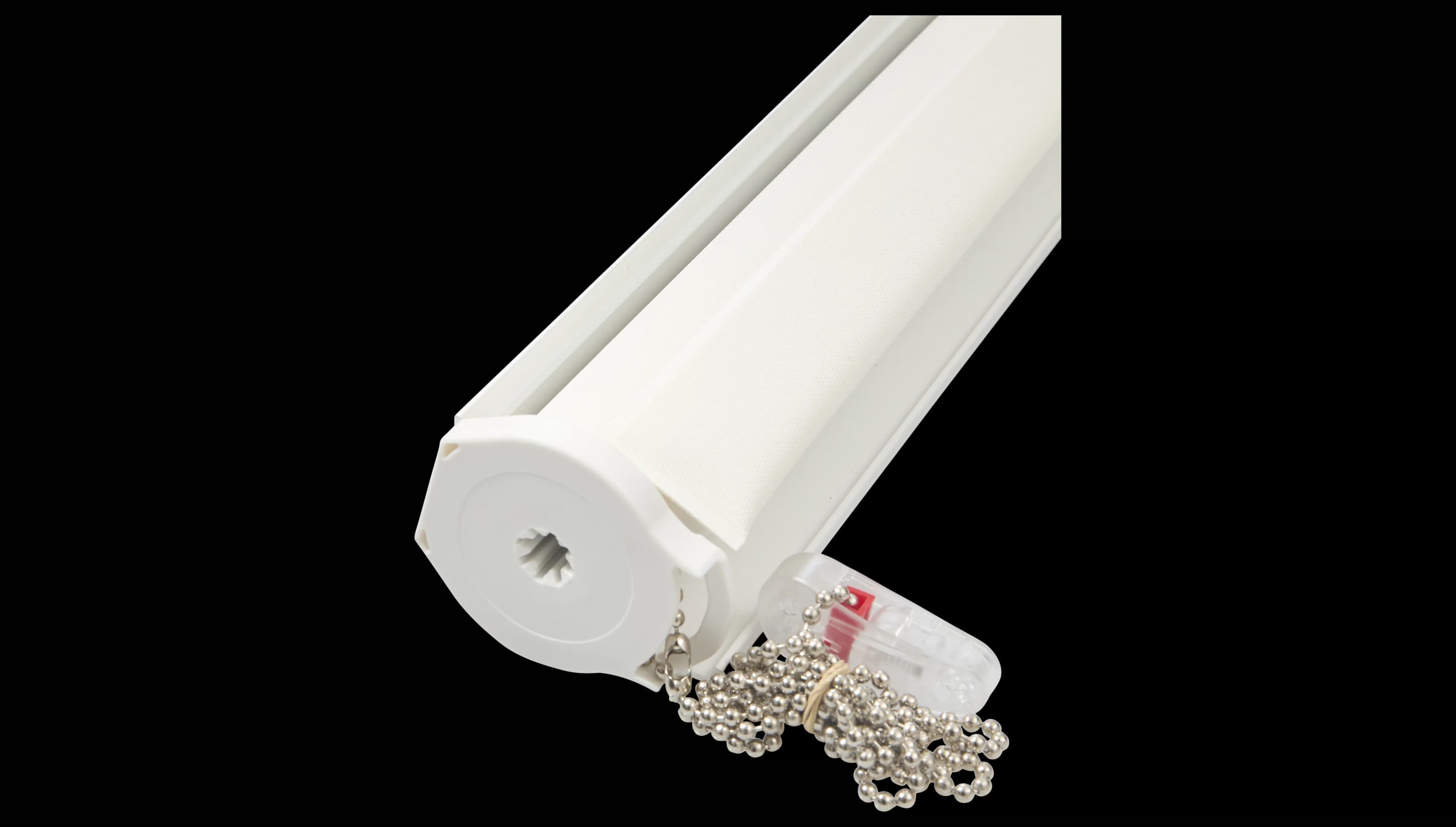
Roller shades — exact-fit fascia mount
Production-home favorite — light-filtering or blackout, custom width to glass.
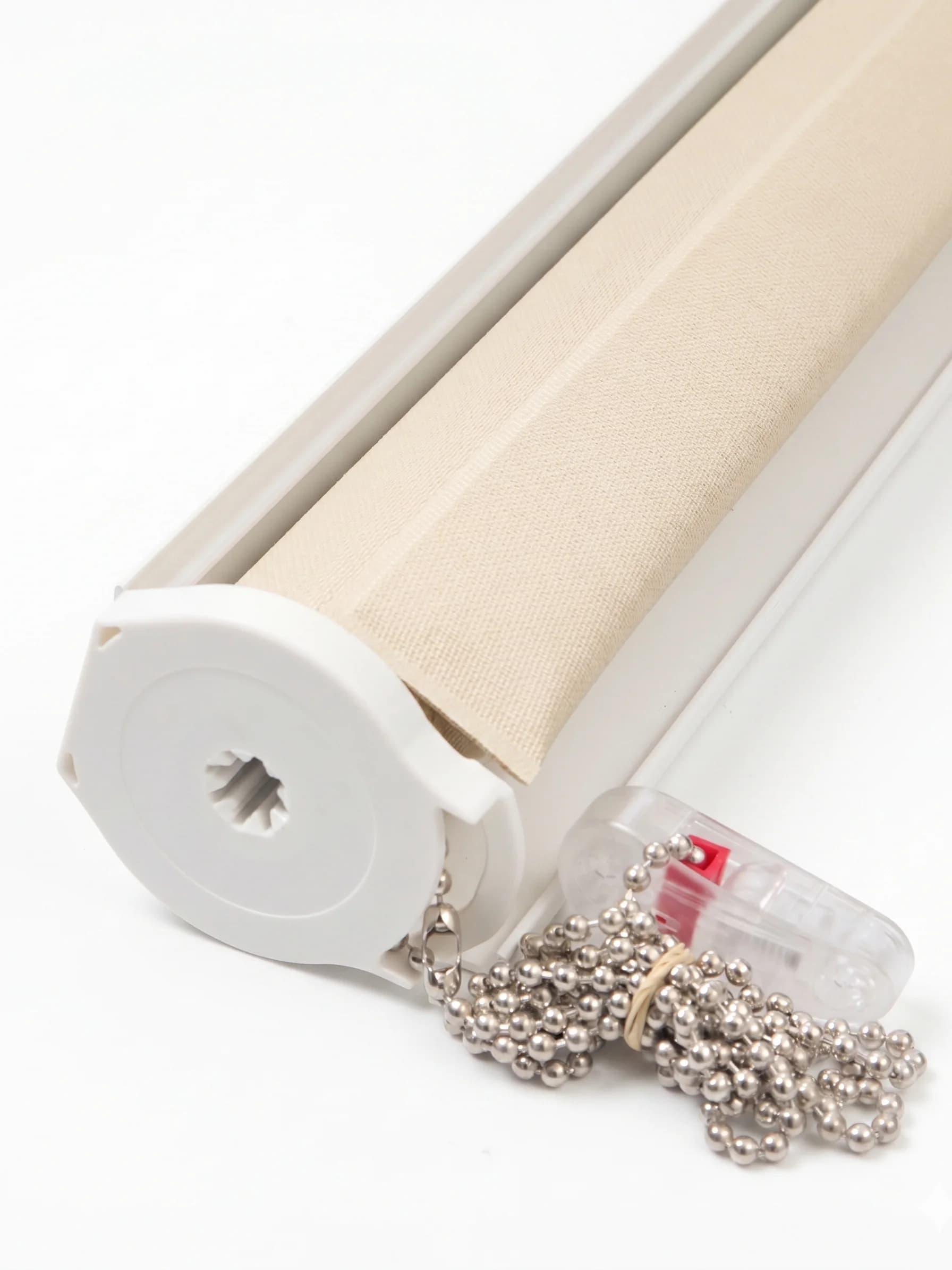
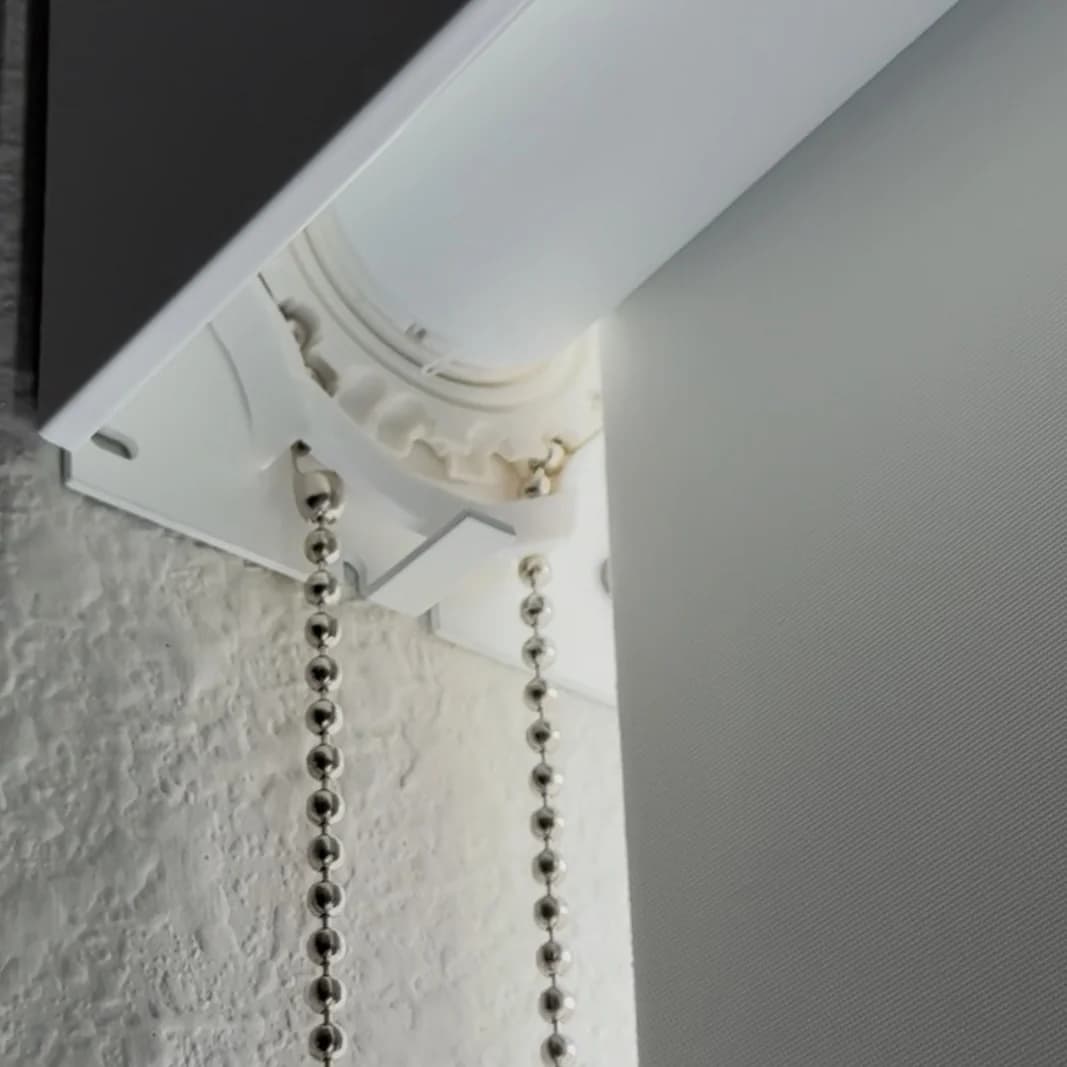
Wide-width roller shades (80"+)
Oversized patio walls — 84" to 106" single-span fabric, freight included online.
Typical opening → blind size
Typical patio slider glass sizes → blind order sizes — always measure your exact glass width and height:
| Opening (approx.) | Order size | Room |
|---|---|---|
| 60"–68" × 80" glass | 68" × 84" vertical | Standard apartment & SF slider |
| 72"–78" × 80" glass | 78" × 84" vertical or 72" roller | Wide production-home slider |
| 72" × 80" glass | 72" × 80" roller (custom) | Exact-fit roller on new builds |
| 84"–96" × 80" glass | Wide roller 84"–95.5" | Oversized patio wall |
| 48"–72" slider (narrow) | 2" faux wood panels (stacked) | Budget alternative — less common |
Mounting by material & situation
Most patio sliders need face-mount — the track or fascia mounts to the wall above the frame, not inside the jamb. Confirm header structure before drilling; aluminum headers and hollow soffits fail with lightweight anchors.
3.5" vertical blinds
View product line →The apartment and budget production-home default — PVC or fabric vanes on a wall-mounted track. Stocked 68×84 and 78×84 reorder pairs; stack left or right at order time.
Face-mount track above aluminum slider
Pro often usedMount the track to the wall above the frame — overlap the opening per manufacturer spec (typically 3"–4" beyond glass on each side for 68" and 78" orders). Use #8 screws into solid wood header or block; toggle anchors only when you confirm hollow depth.
- Hardware:
- Supplied track and valance; #8 screws
Stack side — handle clearance
Stack vanes to the side opposite the primary walk-through when possible. If the handle is on the right active panel, stack left. Standardize stack direction across a PM portfolio so installers do not re-decide every unit.
Screen door clearance
When a screen panel rides behind the slider, keep the vane stack and valance clear of the screen track. Measure from the glass face outward — not from the stucco plane.
Roller shades
View product line →Trending on new production closes — fascia mount above the header, clean fabric line, cordless or continuous loop. Custom width to exact glass; wide openings over 80" use the wide-width roller line.
Fascia mount above slider header
Pro often usedMeasure exact glass width and height. Mount the fascia bracket to the wall above the frame or to a ceiling/soffit when flat. Fabric drops to the sill or floor per spec — confirm handle and foot traffic clearance at full drop.
- Hardware:
- Supplied fascia brackets; #8 screws into solid header
Wide patio glass over 80"
Continuous cord loop required over 80" width on standard rollers. For 84"–106" patio walls, use /roller-shades/wide-width — freight included in online price.
Blackout vs light-filtering on rear sliders
Light-filtering is standard on living-area sliders facing private patios. Blackout on bedroom sliders that share a wall with the slider opening — common on ranch and production primary suites.
2" faux wood blinds (stacked panels)
View product line →Occasionally used on narrow sliders or sidelites flanking a slider — two or three faux wood blinds side by side instead of one vertical or roller. More labor to align; not the default on full-width patio doors.
Stacked faux wood on narrow slider
Pro often usedWhen the opening is under 60" or the buyer wants slats instead of vanes, two faux wood blinds can cover a slider in tandem. Measure each section separately; expect a light gap at the center meeting point.
Sidelite + slider combinations
Production plans sometimes pair a fixed sidelite with a slider — treat each opening separately. Faux wood on the sidelite, vertical or roller on the slider glass.
When to hire a pro on patio sliders
Patio sliders are the highest-stakes DIY opening — wrong stack side, hollow-header anchors, and handle conflicts cause most callbacks. Property managers hire out slider installs even when bedrooms are in-house. Homeowners on production closes often DIY bedroom faux wood but hire a pro for the rear slider. We ship custom-cut product nationwide from Texas; professional installation is available in the Dallas–Fort Worth metro only. Send your installer our measuring guide with exact glass dimensions and stack-side preference.
Frequently asked questions
Vertical blinds or roller shades on a patio slider?
Verticals win on price and apartment turnover volume — stocked 68×84 and 78×84 pairs, stack-side control. Rollers win on aesthetics and new production-home closes — clean fabric line, fascia mount, handles humidity and sun well. Measure your glass and compare total opening width before deciding.
What size vertical blinds fit a standard patio door?
Most apartment and production sliders order 68" × 84" or 78" × 84" vertical pairs — the blind width covers the glass plus standard overlap. Measure exact glass width and height; do not order from the rough opening or stucco dimensions.
Which side should vertical blinds stack on a sliding door?
Stack to the side that keeps vanes clear of the primary walk-through and door handle. On PM turns, pick one stack direction for the whole community. Note stack preference at order time — it is not easily reversed after install.
Can I inside-mount blinds on a sliding glass door?
Rarely. Most aluminum and vinyl slider headers are too shallow for inside-mount vertical tracks or roller fascias. Face-mount to the wall above the frame is the standard method on production homes, apartments, and ranch plans.
What about a 94-inch-wide patio door?
Openings over 80"–96" typically need our wide-width roller line at /roller-shades/wide-width — one fabric span with continuous cord loop. Vertical vanes at that width are less common and may need custom quoting; wide rollers are the usual production-home spec.
Related guides
- Garden-style apartment guide
PM turnover spec — mini bedrooms plus vertical on sliders.
- Florida production & lanai guide
Lanai sliders — rollers on humid-climate stucco stock.
- Houston production home guide
Gulf Coast stucco — rear patio sliders on slab homes.
- DFW ranch & Mid-Cities guide
Ranch patio sliders and picture-window combinations.
- Shop vertical blinds
Configure 68×84, 78×84, and custom vertical sizes.
- Wide-width roller shades
Patio walls and picture windows over 80" wide.
- Standard builder blind sizes
Bedroom and living-area widths — separate from slider sizing.